
If you're newcomer to the automotive world and eager to explore its intricacies, then starting with the exhaust system is the perfect way to begin. Feeling confused by these seemingly complex components? Don't worry, this guide will explain them in simple terms. Regardless of what kind of vehicle you drive, mastering this knowledge will help you become a more astute owner, enabling you to make informed maintenance decisions and accurately identify any "upgrade" signals your car is giving you.
Main Functions of The Exhaust System
Before delving into the details of each component, let's first grasp the three main functions that the exhaust system performs:
Security Guard
As the lifeline of the vehicle, its primary responsibility is to safely discharge toxic exhaust gases such as carbon monoxide, creating a physical barrier between the passenger compartment and the lethal gases, ensuring that every breath is pure and safe.
Silence Expert
Converting the original noise of the engine into a socially acceptable sound level without compromising its performance is not merely a matter of noise reduction; it is a professional and precise control.
Environmental Protection Pioneer
Equipped with a professional exhaust treatment device, it enables your car to deal with harmful emissions before they are released. While releasing energy, it also complies with environmental standards.
Explanation of Core Components of the Automobile Exhaust System
The First Stop of The Exhaust Gas — Exhaust Manifold
As the starting point connecting to the engine, this cast iron or stainless steel component is responsible for collecting the hot exhaust gases from each cylinder into a single pipe. If you hear a metallic knocking sound as the engine speed increases, it is very likely that its gasket is leaking.
Exhaust Gas Purification Center — Catalytic Converter
It is equipped with platinum, palladium, rhodium and other precious metal catalysts, which achieve triple purification through redox reactions:
- Carbon monoxide → Carbon dioxide
- Hydrocarbons → Water vapor and CO₂
- Nitrogen oxides → Nitrogen and oxygen
DPF — Diesel Particulate Filter (Diesel Owners)
Specifically addressing the problem of smoke and dust particles from diesel engines requires regular treatment. Burning the accumulated smoke and dust is necessary; otherwise, the back pressure will increase, affecting the functionality of the engine.
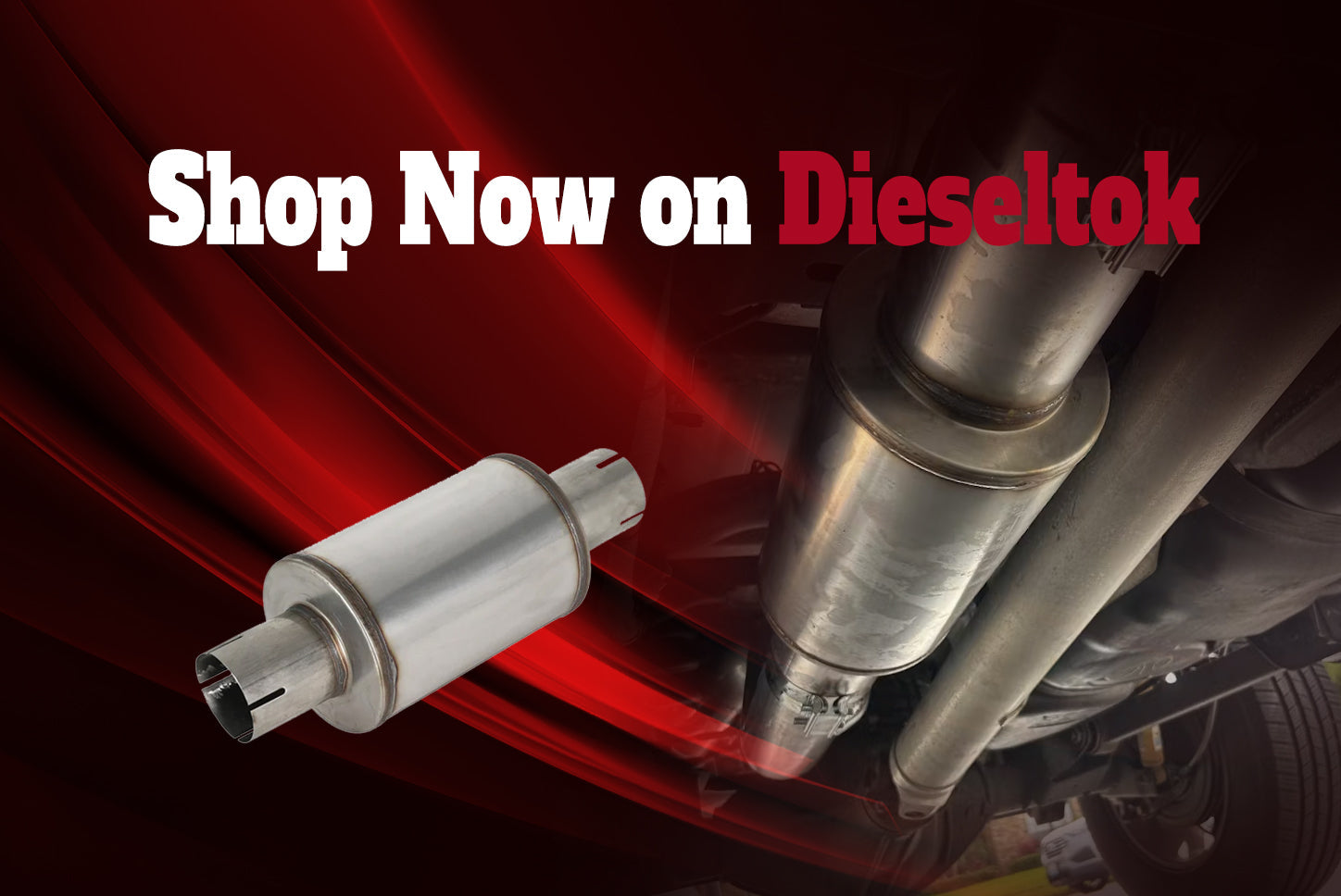
Acoustic Regulation Expert — Muffler
Through the chambers, materials and structures, specific frequency bands of noise are eliminated. The performance version of the muffler not only reduces noise but also minimizes the feeling of obstruction.
Audio Frequency Precision Tuner — Resonator
It specifically eliminates specific frequencies, which can effectively optimize the exhaust sound,it works in conjunction with the muffler.
Final Output of The System — Tailpipe
It extends from the rear of the vehicle. This is not only a decorative element but also has an impact on the functionality.
Exhaust System Upgrade Guide
Three Major Upgrading Opportunities:
Performance Awakening
When exhaust backpressure becomes a constraint on power, upgrading can unlock the potential horsepower and optimize throttle response.
Perfect Time to Change Outfits
When original factory parts age, this is precisely the optimal time to select high-performance materials and optimize the structure.
Scenario-driven
For special requirements such as towing, racing, off-road driving, etc., a more robust dedicated exhaust system is needed.
Diesel Truck-specific Upgrade Plan
For the upgrade of the DPF system of diesel trucks, the direct replacement pipeline offers four core advantages:
- Fuel economy: typically improves by 3-5 MPG
- Performance: Torque and horsepower increase simultaneously
- Maintenance cost: Completely eliminates the need for DPF cleaning and replacement
- Operating efficiency: Significantly reduces exhaust working temperature
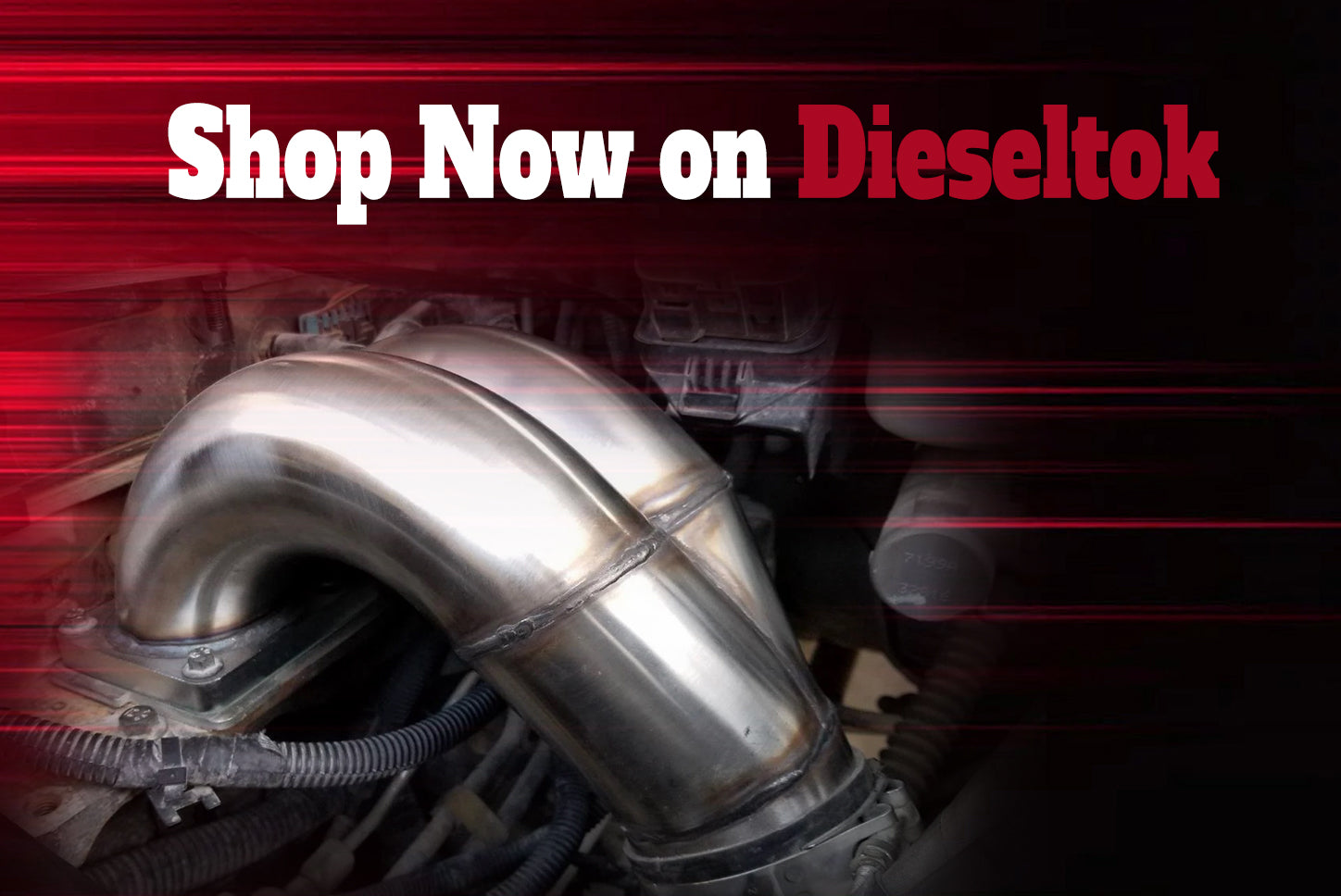
The 5" DPF exhaust pipe specially designed for the 2017-2023 model 6.6L GM Duramax L5P is a benchmark in this field. With its huge 5-inch diameter, it ensures unobstructed exhaust and releases powerful airflow; at the same time, it is made of T409 stainless steel, achieving a perfect balance between excellent durability and affordable cost.
Core Product Advantages
- Adopting the original position docking structure, no on-site welding or secondary processing is required.
- Mandrel bending technology is used to ensure optimal exhaust fluid dynamics.
- Developed specifically for the 2017-2023 L5P Duramax platform
- It outperforms the original equipment manufacturer (OEM) and achieves a dual breakthrough in corrosion resistance and structural strength.
Exhaust System Diagram

Complete Path of Exhaust Gas Treatment
- Engine cylinders: Generate high-temperature exhaust gas
- Exhaust manifold: Collect multiple streams of exhaust gas
- Turbocharger (if equipped): Recovering kinetic energy from waste gas
- Catalytic converter/DPF: Purification of waste streams
- Muffler/resonator: reduces noise
- Tailpipe: Complete final discharge
In performance optimization scenarios, limiting components such as particulate filters are usually replaced with high-flow straight-through pipes to increase power by reducing exhaust resistance.
Self-checking Procedure for Exhaust System
Visual Inspection Points
- Inspect key joints and welds for signs of corrosion
- Observe the pipe body for black marks caused by leaks
- Confirm all lifting luConfirm all hangers are intact and properly positioned
- Check the insulation panels for looseness or unusual vibrations or noises
Auditory Diagnostic Techniques
- Giant rumbling sound: Multiple indications of muffler failure or pipe damage
- Sizzling/tickling sound: Usually caused by leakage of the seals near the engine
- Bottom metal knocking sound: The suspension frame or insulation board is loose
- Sound quality change: A significant sign of internal component damage
Performance Monitoring Indicators
- Abnormally high fuel consumption: A possible problem with a component.
- High-revving power loss: A typical symptom of exhaust blockage.
- Emissions warning light illuminated: Immediate professional inspection required.
Conclusion
Master The Exhaust System, Be A smart Car Owner
You don't need to be a mechanical engineer to understand your car's exhaust system. Whether you're maintaining the original factory configuration or considering upgrading your 2017-2023 6.6L GM Duramax L5P with high-performance components like a 5" DPF pipe, this knowledge will make your driving experience more relaxed and economical.
Start The Upgrade Journey
Welcome dieseltok.com to explore our entire range of performance exhaust components. From basic replacement parts to complete system upgrade solutions, we offer everything you need to optimize the performance, sound, and efficiency of your vehicle in all aspects.
FAQs About Exhaust System
Q1: Does the damage to the exhaust system pose any safety risks?
A1: Yes, exhaust leakage can cause carbon monoxide to seep into the vehicle. This is particularly dangerous in enclosed spaces such as garages, and it can even pose a threat to life.
Is it legal to dismantle emission equipment such as DPF?
A2: Federal law prohibits the removal of emission control devices on road vehicles. It is recommended to thoroughly understand the local regulations before any modifications are made.
Q3: How long can the exhaust system last?
A3: The original system has a lifespan of approximately 5 to 8 years. High-quality stainless steel modifications can last for over 10 years. The exact lifespan is affected by the climate and driving habits.
Q4: How should I choose an exhaust pipe with good performance?
A4: You can choose brand components specially designed for your vehicle model, which can ensure a perfect fit. However, pay attention to the material. You can opt for T-409 stainless steel, which offers good value for money.
Q5: Is it true that upgrading the exhaust system can enhance performance?
A5: This is true. The greatest advantage lies in the fact that when your original factory exhaust pipe gets rusted through and needs to be replaced, choosing a better-designed "performance part" will typically offer a longer lifespan, while also slightly improving the throttle response and fuel economy.
Q6: What is the difference between a muffler and a resonator?
A6: The muffler is responsible for reducing exhaust noise, while the resonator is designed to eliminate specific frequencies, specifically aimed at improving sound quality and suppressing resonant noise.