
Removing your DPF is about way more than just ditching a part. It's a full-blown powertrain awakening—an all-out explosion of horsepower, sound, and efficiency. Whether you're leaning towards the balanced upgrade of a 4-inch system or the wide-open liberation of a 5-inch setup, the only thing that matters is what you need from your rig. Our mission is to deliver the perfect solution for every kind of "performance personality." So buckle up and join us on this hardcore, adrenaline-pumping journey of mechanical freedom. It's time your truck showed its true colors.
Why DPF Delete Is the First Step to Real Performance?
Your truck was built to haul ass. And more often than not, the Diesel Particulate Filter (DPF) is the main thing holding it back. Deleting it isn't just removing a part—it's kicking the door wide open to a whole new level of performance.
Instant Throttle Response:
Exhaust backpressure drops to near zero. Your engine stops pushing against a brick wall and starts flowing freely. The difference isn't subtle—it's the kind of change you feel the second you touch the pedal.
Real Gains in Horsepower and Torque:
We're not talking about "butt dyno" gains here. With the right tuning, expect 30–50 extra horsepower and 50–100 lb-ft of torque that actually shows up when you need it. Passing. Towing. Pulling a grade. That's where this power lives.
Better Fuel Economy:
The DPF burns your fuel to clean itself. Every regeneration cycle is literally pouring money into the exhaust. Delete it, and that wasted fuel stays in the tank. Most guys pick up 10–15% at the pump. More miles. More power. Less fuel. That math works.
An Engine That Lasts
Without the risk of a clogged DPF or oil dilution from failed regens, your engine runs cleaner and under less stress. That adds up to fewer problems down the road and a healthier powerplant for the long haul.
Pick Your Soundtrack: 4-Inch vs. 5-Inch Exhaust Systems
Once the DPF is gone, your choice of exhaust pipe defines both your power band and your truck's voice.
The 4-Inch Exhaust
Sound:
This is the daily driver's dream. It's throatier than stock but won't wake the neighbors. The tone says "I'm modified" without screaming it from every stoplight.
Performance:
The 4-inch shines under 500 horsepower. It actually builds low-end torque means around town and under moderate loads, this pipe delivers where it counts. If your truck is stock-ish or mildly built, this is your sweet spot.
The 5-Inch Exhaust
Sound:
This one has a voice. Deep. Loud. Proud. You'll hear the turbo spool from inside the cab. People will hear you coming.
Performance:
The 5-inch is for trucks living north of 500 horsepower. When you're pushing serious boost, towing max loads up mountain grades, or building a hot-rod diesel, this pipe gets out of the way and lets the engine do its thing. Heat dissipation improves. Backpressure disappears. The engine runs cooler and harder.
How Do You Choose?
What's Your Truck's Job?
- Heavy-duty diesel with big displacement? Go 5-inch.
- Midsize truck or near-stock power levels? 4-inch will treat you right.
What Are Your Build Plans?
If you're already running mods like a custom tune, bigger turbo, or upgraded injectors, a 5-inch system unlocks way more potential.
What's Its Main Mission?
- Daily commuting and occasional hauling? 4-inch is more than enough.
- Hard work, heavy towing, or chasing max power? The 5-inch is the pro-grade tool you need.
5-Inch High-Flow Exhaust System Solution
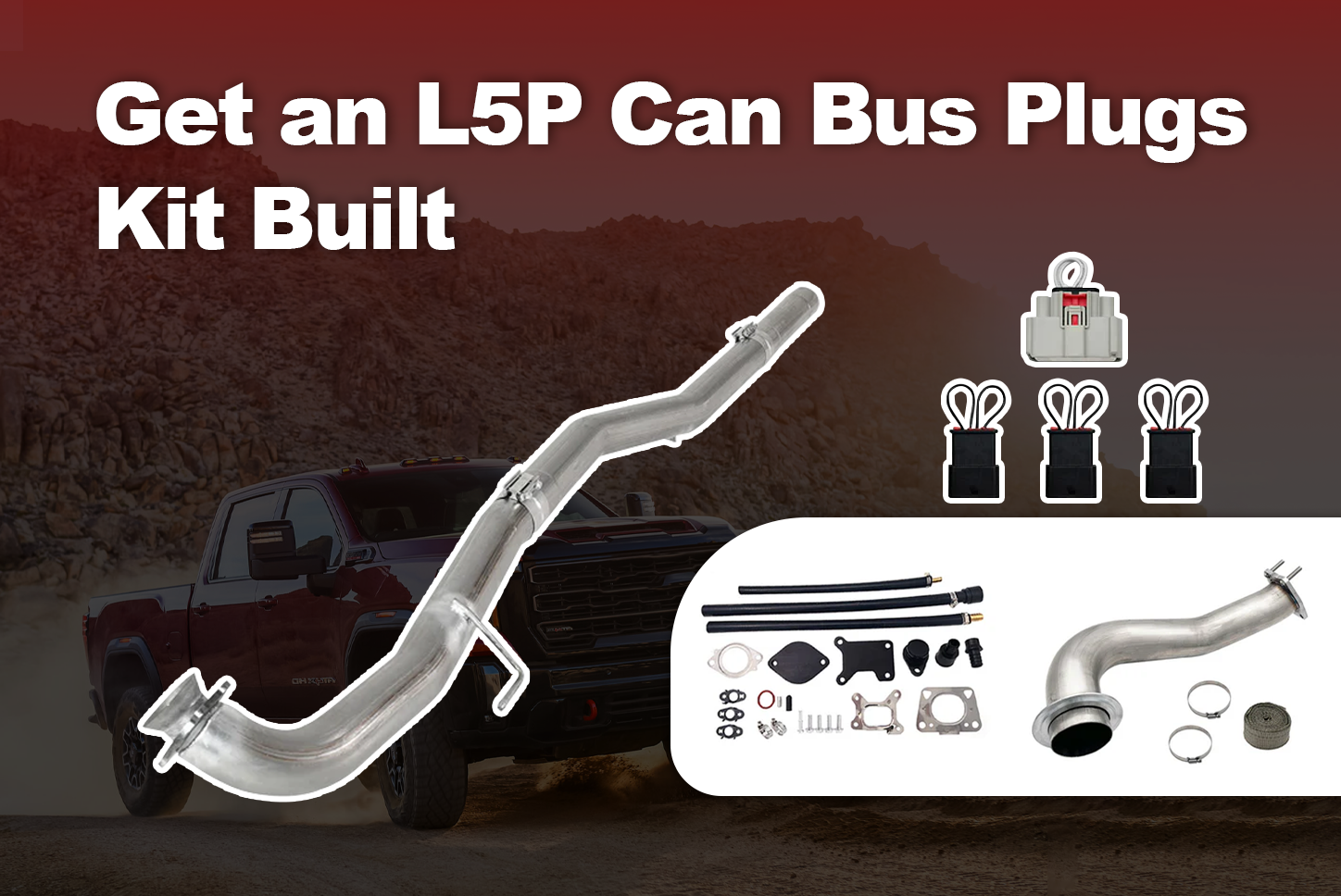
If you're chasing max performance, our 5-inch high-performance exhaust kit is built for you. This isn't just pipe—it's a fully engineered system designed to deliver seamless power and reliability.

Core Components: 5-Inch Main Exhaust
- Features a 3.5-inch downpipe and 5-inch DPF delete pipe with heavy-duty 4-bolt flanges for a leak-free seal.
- Constructed from T-409 stainless steel for the perfect balance of corrosion resistance and value.
- Designed for complete removal of the catalytic converter and DPF.
Smart CCV Management System
- Integrated CCV module with dual differential pressure design prevents oil blow-by from entering the intake.
- Protects your turbo and extends the time between engine cleanings.
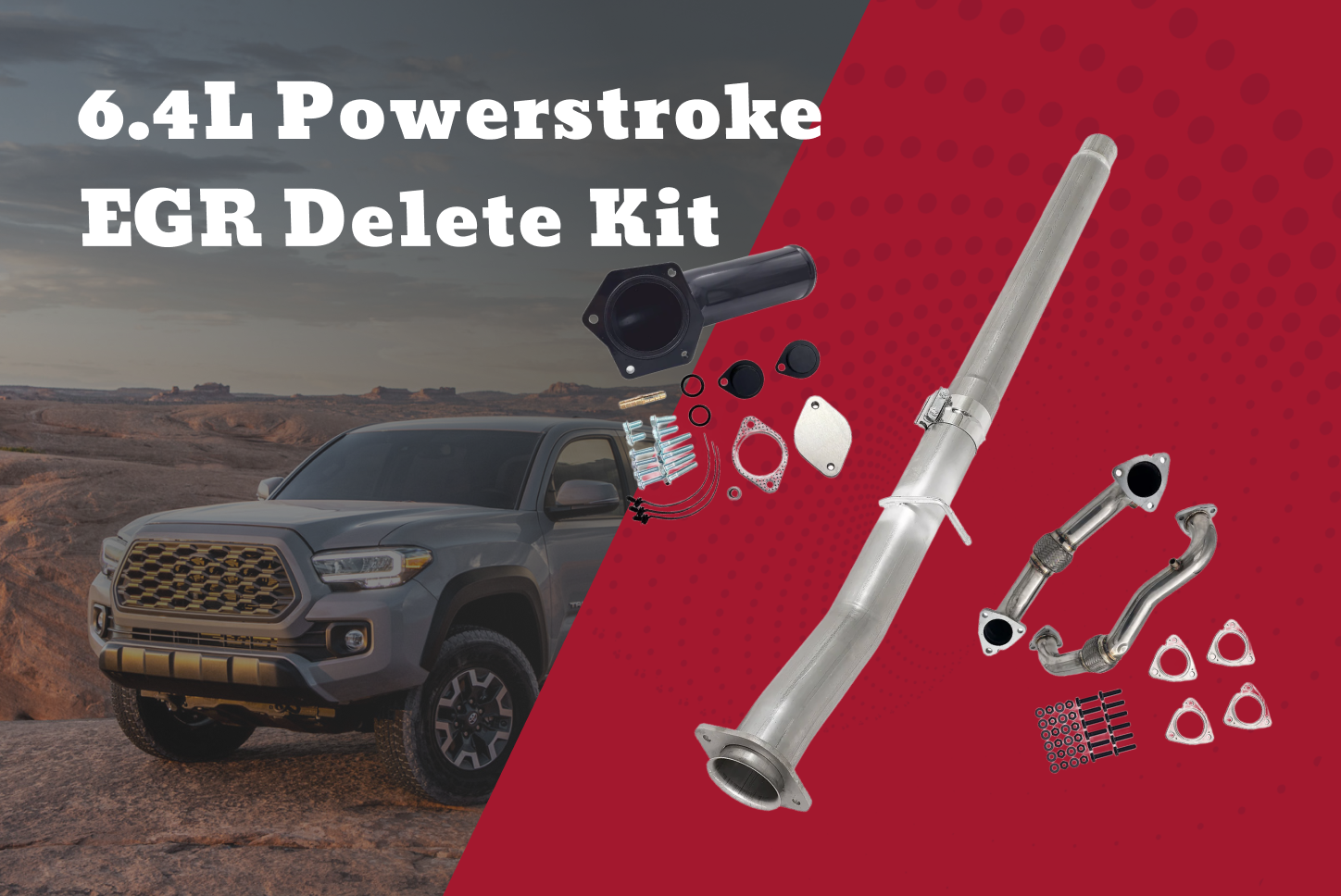
Excellent EGR Upgrade
- Effectively Removes Carbon Deposits Inside the Engine
- Blocks Abnormal Hot Exhaust Gas from Rerouting Back In—Prevents Heat Damage to the Engine
- Promotes Efficient Coolant Flow, Helping the Engine Stay at Its Optimal Operating
Installation Guide: Step-by-Step to Full Release
Prep Work:
- Disconnect the battery.
- Let the exhaust system cool down completely.
Removal:
- Unplug all exhaust sensor harnesses. Unbolt the downpipe and DPF assembly flanges.
- Remove all factory plugs and vent lines from the DPF. Lube up the hangers and carefully drop the DPF assembly.
- Use a 15mm socket to remove the 4-bolt flange connecting the downpipe to the turbo outlet. You may need to remove the trans hanger for easier access.
Installation:
-
Install the new downpipe (Section 1). Align its 4-bolt flange with the turbo outlet's 3-bolt flange and snug it up.
-
Connect Section 2 to the downpipe using the supplied clamp, and seat the hanger in the factory rubber mount.
-
Choose the right extension pipe for your wheelbase and install it between the muffler inlet (Section 4) and tailpipe (Section 7).
- Starting at the downpipe, tighten all V-band clamps progressively. Check clearance and alignment as you go.
Final Check:
- Double-check all clamps, flanges, and sensor connections.
- Reconnect the battery, fire it up, and listen for leaks or warning lights. You're good to go.
Conclusion
Stuck between the balanced performance of a 4-inch and the all-out flow of a 5-inch? Hopefully, this guide helped you lock in the right call. Our 5-inch pro exhaust kit makes sure every pulse of exhaust turns into forward momentum—whether you're crawling up a grade under load or hammering down the highway. This isn't just an upgrade. It's a statement. Head over to www.ifjf.com now and give your beast the breathing system it really deserves.
FAQs About 6.7 L5P 5" Exhaust
Q1: Are there any risks to deleting both the EGR and DPF on an L5P?
A1: The main risks fall into two categories. Legally, deleting emissions control systems is illegal in most areas. Technically, improper deletion can lead to higher exhaust temperatures, increased engine wear, and even long-term mechanical damage.
Q2: How does deleting the DPF affect fuel economy on a Duramax L5P?
A2: Removing the DPF reduces exhaust backpressure, allowing the engine to breathe more freely and operate more efficiently. In most cases, this results in improved fuel economy.
Q3: Will blocking the EGR valve affect the DPF?
A3: Blocking the EGR valve prevents exhaust gases from re-entering the intake system, which can help improve engine performance and reduce carbon buildup. While this modification does not directly impact the DPF, changes in exhaust composition and flow may indirectly influence how quickly the DPF accumulates soot and how often it needs to regenerate.
Q4: What are the long-term maintenance benefits of deleting the EGR and DPF?
A4: In the long run, deleting the EGR and DPF eliminates potential failure points associated with these components. This reduces the need for system cleanings and repairs, ultimately lowering overall maintenance costs.
Q5: How much horsepower can you gain by deleting the 5" DPF on an L5P?
A5: Deleting the DPF reduces exhaust backpressure and restriction, typically resulting in a gain of 20 to 40 horsepower. The exact increase depends on the engine's baseline condition and any other accompanying modifications.