
If you own a 2004.5–2005 LLY Duramax, you’ve likely faced the "check engine" light or felt that frustrating loss of power. The usual advice? "Clean the EGR valve" or "Replace the cooler." But here is the reality your local dealer won't tell you: On an LLY, EGR failure isn't a possibility—it’s an engineering certainty.
Cleaning a soot-caked valve is like putting a bandage on a broken bone. This article explores why the LLY EGR system is a "ticking time bomb" for your engine and how a systemic upgrade can finally break the cycle of repairs.
The Fatal Flaw: A System That Self-Destructs
The LLY EGR system was designed with a noble goal—reducing NOx emissions. However, the execution created a fundamental conflict between emissions and engine health.
The Carbon Trap:
The EGR valve sits directly in the path of 1200°F, soot-heavy exhaust gas. When these hot gases mix with oily vapors from the crankcase, they form a "sludge" that hardens into diamond-hard carbon. This cokes the valve, causing rough idles and sluggish throttle response.
The Cooler Crisis:
The EGR cooler uses thin metal walls to separate hot exhaust from your engine coolant. Over time, constant thermal cycling causes these walls to crack. If that happens, coolant enters your cylinders, leading to white smoke or, worse, hydrolock that can destroy your entire engine.
Intake Contamination:
This system doesn't just fail itself; it pollutes everything downstream. Carbon chunks can break off and get sucked into the intake manifold, scoring cylinder walls and damaging precision turbo wheels.
Why a "Delete" is the Only Permanent Cure
Traditional repairs only reset the clock on the next failure. A complete delete solves the root cause by removing the problematic hardware entirely.
- Fresh Air Only: By removing the EGR valve and cooler, your engine breathes 100% clean, oxygen-rich air—never recycled soot.
- Thermal Relief: Eliminating hot exhaust gas recirculation drastically lowers intake air temperatures, reducing the heat load on your entire cooling system.
- Mechanical Simplicity: Fewer parts mean fewer fail points. You eliminate the risk of internal coolant leaks and carbon-clogged intake runners forever.
Engineering the Ultimate Solution: Systems Thinking
At DieselTok, we believe you can't solve an LLY’s "breathing" problems with a single part. You need a systemic "detox." We have developed two high-performance tiers to liberate your Duramax:
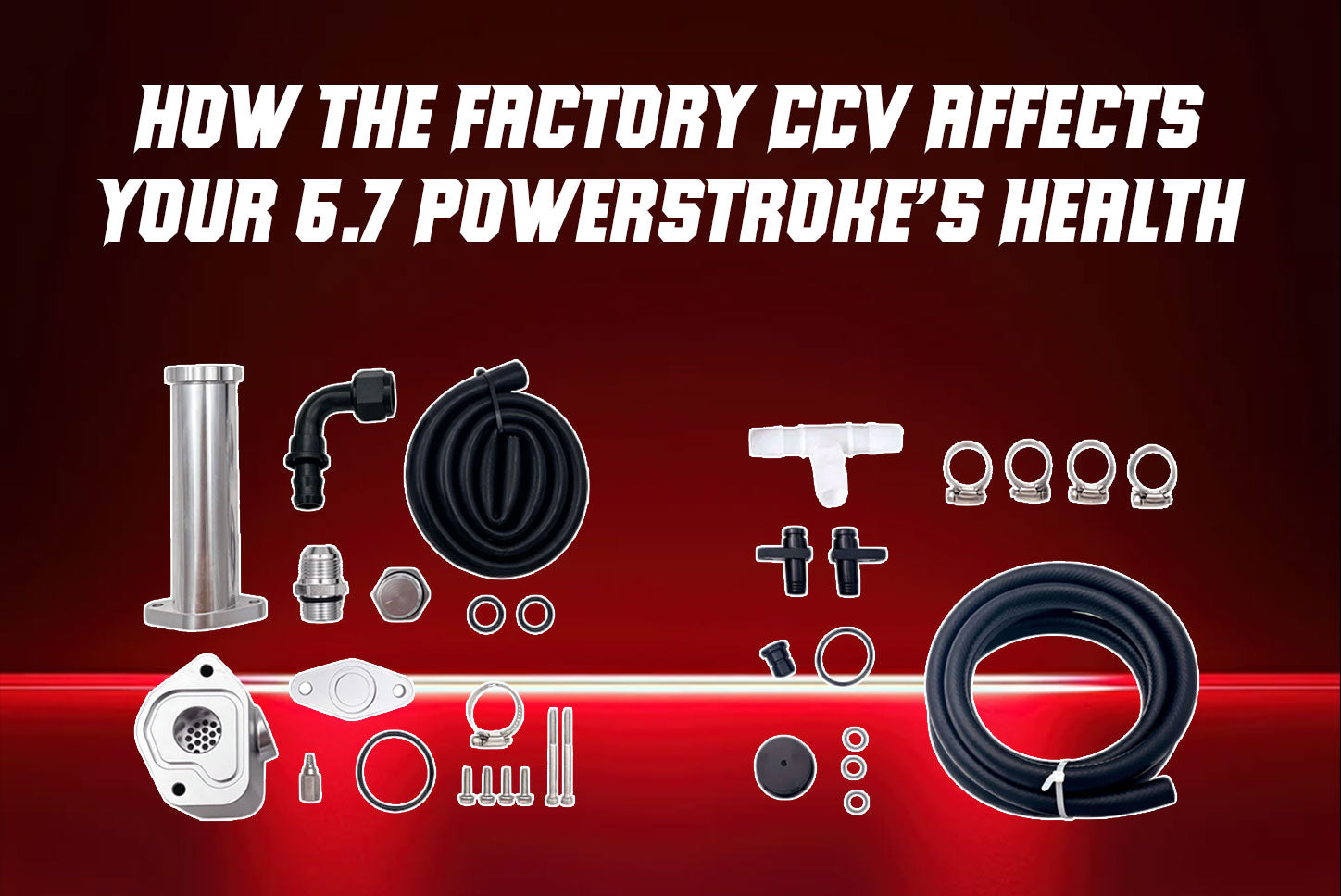
2004-2005 6.6L Duramax LLY CV PCV Reroute & EGR Delete Kit
Carbon buildup usually strikes from two sides: the EGR and the CCV system. Our integrated kit addresses both:

-
EGR Elimination: Replaces restrictive plumbing with high-flow aluminum/stainless piping and heavy-duty silicone couplers.
-
CCV Upgrade: Features an anodized aluminum free-flow vent and 5/8" GATES brand hoses to keep oil vapor out of your turbo, extending its lifespan significantly.
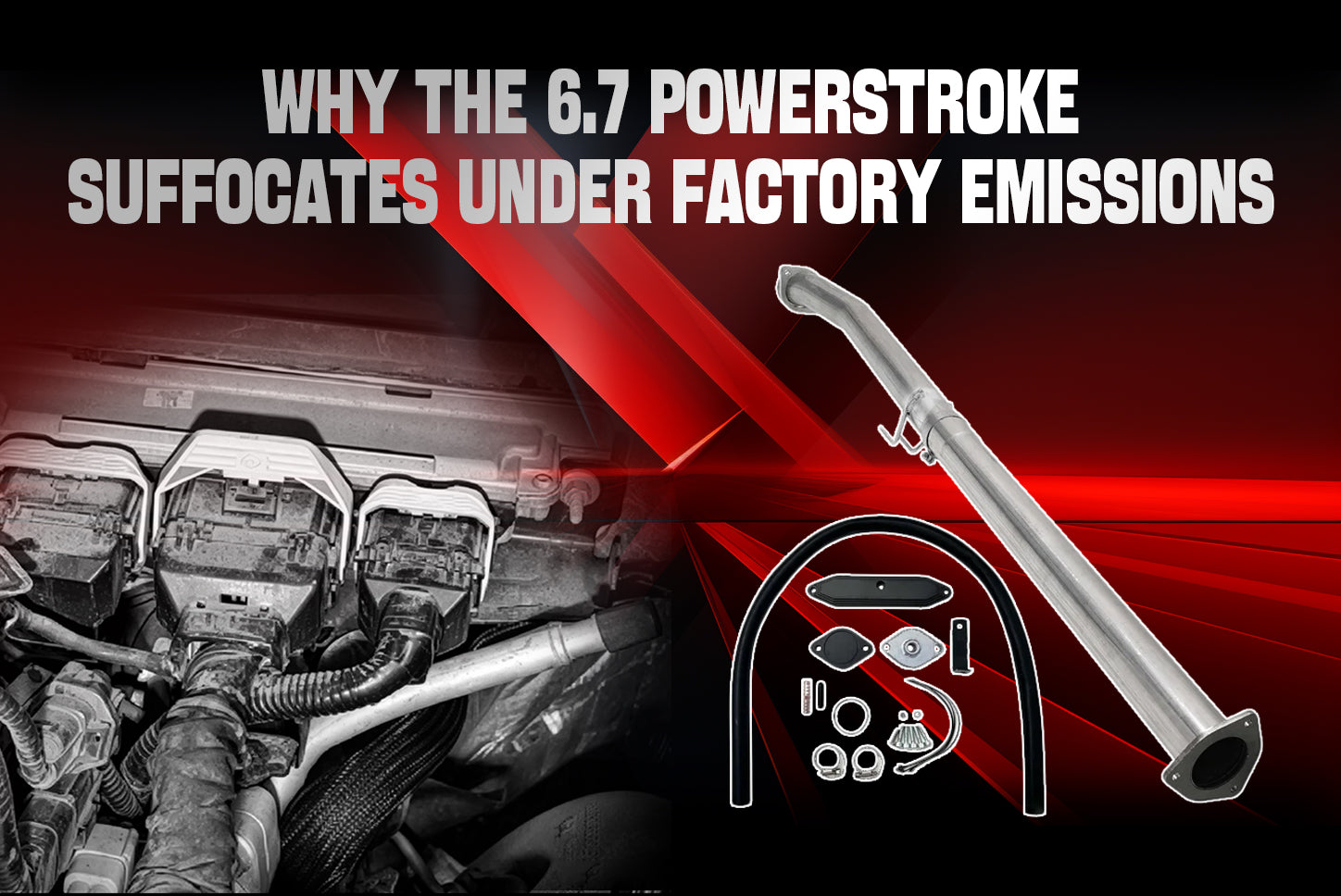
5" DPF/CCV/EGR Delete Kit | 2004-2005 GM/Chevy Duramax LLY 6.6L
For the owner seeking the ultimate "breathing" upgrade, this package removes every factory bottleneck from the turbo to the tailpipe:

-
5-Inch Straight-Through Exhaust: Crafted from T-409 Stainless Steel to eliminate backpressure and lower EGTs.
-
Triple Threat: Removes the DPF, EGR, and CCV restrictions simultaneously, unlocking hidden horsepower and boosting fuel economy.
Conclusion: Take Control of Your Duramax
You can keep feeding money into a flawed EGR system, or you can solve the problem once and for all. Transitioning to an engineered delete solution isn't just about power—it's about the peace of mind that comes with a reliable, simplified engine.
Stop treating the symptoms and cure the disease. Visit dieseltok.com for LLY-specific kits designed to turn your truck back into the dependable powerhouse it was born to be.
FAQ: What Every LLY Owner Needs to Know
Q1: Can I tackle this installation in my own garage?
A1: If you’re a "backyard mechanic" with a solid toolset and experience working on diesel engines, it’s a doable DIY project. That said, the LLY engine bay is tight, and ECU recalibration is mandatory. If you aren't comfortable with deep mechanical work or software tuning, we highly recommend a professional diesel shop.
Q2: What is the legal status of removing the EGR system?
A2: Under federal EPA regulations, it is illegal to remove or tamper with emissions equipment on any vehicle operated on public roads. These modifications are strictly permitted for closed-course competition, professional racing, or off-road use only. Always check your local state laws before proceeding.
Q3: How much does a full EGR and DPF overhaul cost?
A3: Total costs fluctuate based on the quality of the kit and whether you’re paying for shop labor. Generally, you’re looking at an investment between $1,000 and $4,000. Remember, while the upfront cost is significant, it often pays for itself by preventing catastrophic engine repairs and improving fuel economy over time.
Q4: Is a "Delete" actually worth it for the average owner?
A4: It depends on your goals. If you're building an off-road rig, a delete is a game-changer because it stops carbon buildup and eliminates the risk of a blown EGR cooler. However, if your truck is a dedicated daily driver or registered in a state with strict smog checks, maintaining or upgrading the factory system is the more compliant path.
Q5: What kind of power gains should I expect?
A5: Simply removing the hardware usually yields a modest 5–15 HP by reducing exhaust backpressure. The real magic happens when you pair the delete with a professional ECU tune, which can unlock 20–40+ HP and significantly sharper throttle response by optimizing the air-fuel mapping.