
For truck owners operating 2019-2024 Ram 2500 and 3500 heavy-duty pickups, the 6.7L Cummins inline-six engine represents the absolute standard for commercial hauling power. Featuring an updated high-pressure common-rail fuel system and advanced hydraulic lifters, this generation of the Cummins platform runs smoother and quieter than ever before. However, beneath this refined exterior lies an incredibly complex and restrictive factory emissions system that severely limits your engine's ability to breathe. When forced to push spent gases through thousands of tiny cells inside the factory catalytic converter and diesel particulate filter, your engine faces a massive mechanical bottleneck.
The Silent Engine Killer: Thermal Traps, Exhaust Bottlenecks, and Sluggish Spooling
Extreme Exhaust Temperature Buildup
When your exhaust flow is restricted by the compact factory emissions hardware, a massive thermal trap is created directly behind your variable-geometry turbocharger. Instead of exiting the vehicle rapidly, blistering exhaust gases back up into the exhaust manifold, driving Exhaust Gas Temperatures (EGTs) to dangerous levels.
This continuous thermal soak radiates intense heat into the surrounding engine bay, degrading electrical harnesses and placing immense structural strain on your cylinder head. Under heavy daily towing conditions, this trapped heat causes the internal components of your high-pressure fuel system to undergo intense thermal fatigue.
Over extended periods, these elevated operating conditions degrade your oil quality and can lead to premature warping of the exhaust manifold studs. Keeping these restrictive factory chambers untouched ensures that your high-output powertrain is continuously fighting an uphill battle against intense under-hood heat.
Severe Parasitic Power Loss
Simultaneously, high backpressure forces the engine to work significantly harder just to complete its basic exhaust stroke. Instead of smoothly expelling spent gases, the pistons must physically push against a solid wall of trapped exhaust pressure inside the piping.
This structural restriction creates a major parasitic drain on your overall horsepower and low-end torque output. Your engine consumes excess diesel fuel simply to overcome its own internal breathing bottlenecks, resulting in lowered truck efficiency.
Over time, this constant flow resistance chokes out the massive low-end responsiveness that the 6.7L Cummins platform is famous for. Truck owners often experience a noticeably sluggish pedal feel, higher fuel consumption, and reduced efficiency during heavy highway hauling.
Turbocharger Responsiveness Starvation
Furthermore, an unobstructed exhaust flow is vital for keeping your sequential or variable-geometry turbocharger spinning at optimal speeds. High backpressure acts as an aerodynamic brake, pushing back against the turbine wheel and slowing down its operational velocity.
This flow resistance directly translates into severe low-end turbo lag whenever you slam the throttle to pass or climb a steep grade. Your turbocharger requires significantly more time to build optimal boost pressure because the exhaust gases cannot exit the housing freely.
Leaving this choked system in place ensures your intake tract is continuously backed up with hot, dense air. Bypassing these fragile factory restrictions with heavy-duty metal hardware is the only way to unleash faster turbo spooling and secure ultimate powertrain dependability.
The Commercial-Grade Exhaust Evolution
Upgrading to a premium, precision-engineered metal delete configuration represents the most definitive mechanical evolution to permanently insulate your powertrain from systemic vulnerabilities. By completely isolating and clearing out the restrictive factory emissions chambers, you establish an unobstructed system layout that permanently protects your internal engine valves from thermal warping and backpressure contamination.
Replacing these factory restriction failure points preserves the overall operational longevity of your truck, guarantees total peace of mind on the road, and delivers a night-and-day improvement in low-end torque. Best of all, achieving this total under-hood transformation doesn't require a multi-thousand-dollar shop overhaul.
You can completely restore your powertrain’s breathing and cooling efficiency using rugged, industrial-grade stainless steel hardware designed for an exact bolt-on fit.
Heavy-Duty Upgrades: Eliminating 2019-2024 Cummins Restrictions
To permanently shield your high-pressure powertrain from dangerous backpressure and restrictive intake velocities, upgrading to solid, oversized stainless steel infrastructure is highly recommended. Below are the industry's premier structural upgrades, specifically engineered to correct these notorious Ram factory engineering oversights.
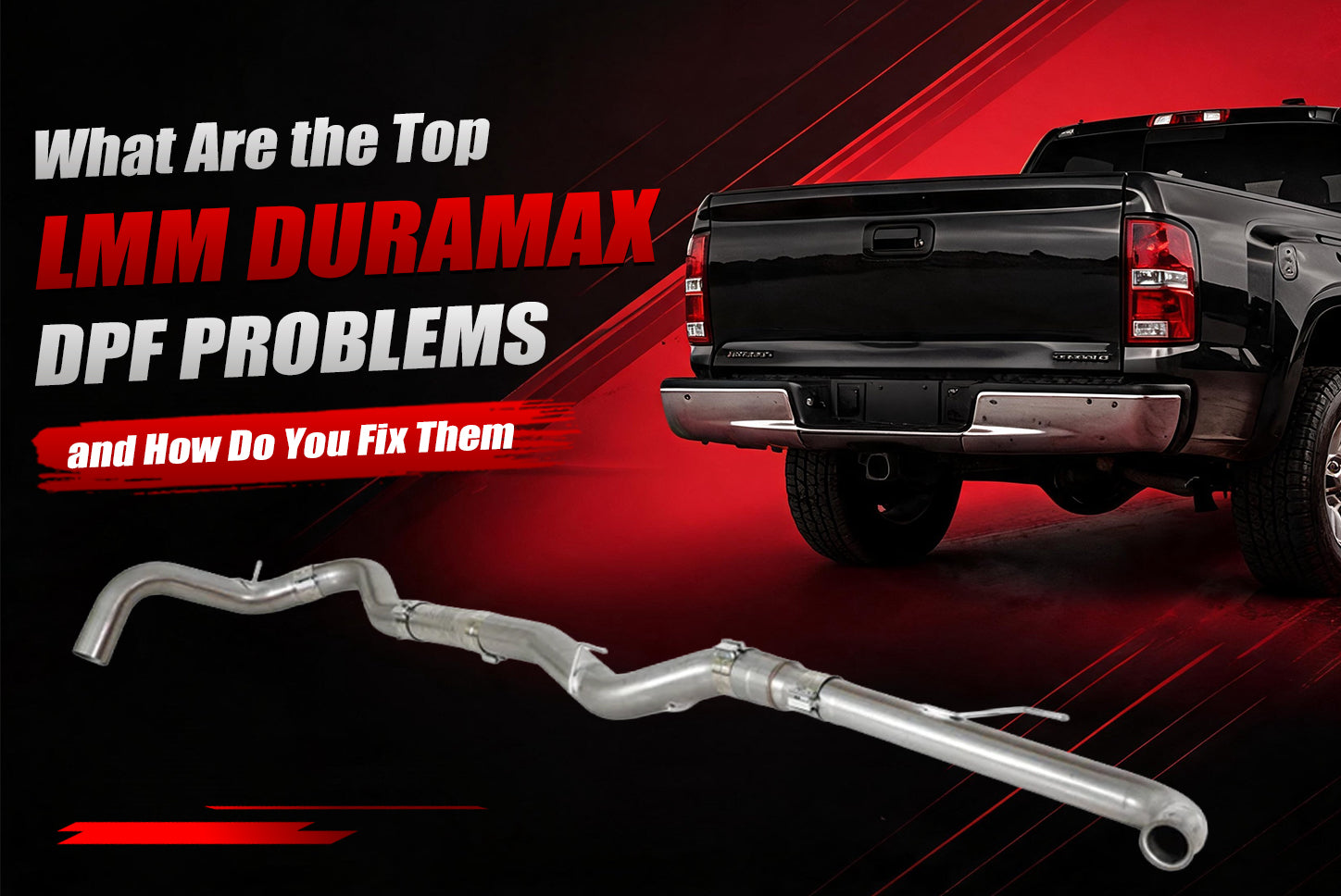
2019-2024 6.7L Ram 4" Cat & DPF Delete Pipe
This premium high-performance race exhaust system is designed for optimal engine performance, completely replacing the restrictive factory emissions infrastructure with an open, high-flowing architecture from the turbo down to the mid-pipe.

-
T409 Stainless Steel Material: Forged entirely from heavy-gauge T409 stainless steel, making this straight pipe system significantly more heat-resistant and durable than standard OEM aluminized steel through endless intense thermal cycles.
-
Turbo-Back Efficiency: Features a continuous 4" system from turbo back down to the mid-pipe, clearing out the primary exhaust bottlenecks to maximize gas evacuation speed.
-
Reduced Heat Buildup: Functions perfectly to direct exhaust gases away from the engine to improve overall performance and reduce heat buildup under the hood.
-
Optimal Performance Unleashed: Allows owners to upgrade their restrictive stock exhaust system with DPF delete to unleash the full potential of the engine and achieve optimal results on the track or road.
-
Enhanced Vehicle Power: Optimizes exhaust scavenging to enhance your vehicle's power and efficiency, allowing for faster turbo spool and a noticeable increase in driving responsiveness.
-
Strict Vehicle Fitment Guide: Engineered strictly for vehicle-specific application on 2019-2024 Ram 2500 and 3500 Cummins 6.7L diesel trucks. EXCEPTIONS: This kit is designed for pickup platforms only and will not fit the Cab & Chassis commercial style truck layouts.
2019-2024 6.7L Ram Cummins 5" DPF Delete Downpipe Back Exhaust
This massive, competition-grade exhaust system is engineered for maximum flow capacity, offering an oversized profile that is ideal for heavy competition, sled pulling, and extreme off-road driving.

-
High-Quality Stainless Steel: Constructed with high-quality stainless steel for maximum durability, structural longevity, and resistance against rust in harsh environments.
-
Uninterrupted Internal Geometry: Specially designed with no bungs for a smooth, uninterrupted exhaust flow, completely eliminating turbulence caused by unused sensor ports inside the tubing.
-
Oversized 5" Downpipe-Back System: Features a massive 5" downpipe-back exhaust system layout that provides an ultra-wide path for high-volume exhaust gas expansion.
-
Comprehensive Performance Enhancement: Functions as a complete downpipe-back exhaust system for comprehensive performance enhancement, dropping EGTs to the absolute lowest levels possible.
-
OE Style Hanger Fitment: Arrives equipped with heavy-duty, OE style hangers to ensure an easy installation process and a perfect, secure fit utilizing your truck's original factory mounting locations.
-
Strict Application Limitations: Tailored for 2019-2024 6.7L RAM Cummins 2500 and 3500 models. CRITICAL EXCEPTIONS: This oversized system is not suitable for 2500 models equipped with factory air-ride rear suspension due to pipe clearance limitations, and explicitly will not fit Cab & Chassis commercial variants.
Step-by-Step Diagnostic Guide: How to Confirm Exhaust Bottlenecks
Because excessive backpressure happens entirely inside your steel exhaust line, you won't always spot the restriction immediately. To prevent these factory blindspots from causing turbocharger damage, perform this quick multi-point diagnostic inspection straight from your garage floor.
-
Monitor Your Boost Gauge: Watch your factory dashboard metrics during a hard launch. If your engine requires an unusually long time to reach peak boost levels or feels completely dead under 2,000 RPM, excessive backpressure is choking your exhaust turbine.
-
Trace Your Active Regen Frequency: Keep track of how often your truck triggers an active regeneration cycle on the highway. If your vehicle is entering regen every few hundred miles or getting stuck in continuous cleaning cycles, your factory chambers are severely plugged with soot.
-
Check for Elevated Highway EGTs: Monitor your pyrometer metrics while cruising at flat highway speeds with an empty bed. If your exhaust gas temperatures climb rapidly past normal baselines and stay elevated, your factory emissions system has become an active heat trap.
-
Listen for Exhaust Leaks at the Manifold: Inspect the back of your cylinder head near the firewall for signs of black soot trailing around the exhaust manifold gaskets. High backpressure frequently warps rear exhaust studs, causing audible clicking sounds under load.
Performance Integration & Long-Term Mechanical Protection
Achieving long-term mechanical reliability on a heavy-duty truck relies heavily on treating the engine's exhaust evacuation and air intake as a single, synchronized high-flow ecosystem. Swapping out a narrow, restrictive original pipe for an upgraded 4" cat & dpf delete pipe does more than just alter the vehicle's acoustic profile. This critical hardware evolution immediately breaks the high-pressure loop trapped behind the turbocharger housing, shielding the continuous-duty turbine blades from volatile backpressure waves and establishing a durable mechanical safety barrier for your variable-geometry setup.
For competition-focused drivers and extreme off-road enthusiasts demanding unrestricted flow velocity, integrating a heavy-duty 5" dpf delete downpipe back exhaust allows high-volume exhaust streams a wide, rapid thermal expansion path. Completely eliminating internal sensor obstructions with a specialized no-bungs layout ensures a smooth exhaust gas release entirely free of turbulence. Through this total optimization of your exhaust routing parameters, truck owners can permanently avoid the risks of engine oil dilution from frequent active regenerations, ensuring the entire Cummins inline-six powertrain remains in a highly responsive and durable operational state under severe work conditions.
Conclusion
Dealing with slow turbo response, coping with elevated operating temperatures, and worrying about restrictive factory bottlenecks doesn't have to be a permanent reality for your heavy-duty truck. While leaving a clogged, restrictive original exhaust system untouched guarantees chronic flow resistance and premature turbocharger failure, upgrading to high-grade, oversized stainless steel hardware secures your long-term mechanical investment. Establishing a direct-flow, unobstructed exhaust path ensures your turbine wheel spools effortlessly, drops thermal stress across your cylinder head, and maximizes fresh oxygen delivery to your cylinders.
How Does High Backpressure Choke Your 6.7L Ram Cummins? Don't wait for a completely plugged factory exhaust block or a sudden exhaust temperature code to leave your heavy trailer stranded on a steep highway grade. Take definitive charge of your truck's mechanical longevity today without breaking your budget. To find the ultimate CNC-machined bypass configurations, rugged T409 stainless steel straight pipes, and vehicle-specific hardware tailored strictly to your powertrain, explore the complete professional catalog over at www.dieseltok.com. Give your platform the unrestricted breathing efficiency and commercial-grade durability it needs to conquer the road.
Frequently Asked Questions (FAQ)
1. What is the difference between a 4" and a 5" DPF delete exhaust system?
A 4" system is ideal for daily driven trucks and heavy towing, providing excellent velocity and clearing out all primary factory restrictions. A 5" downpipe-back exhaust system features an oversized profile designed for maximum flow capacity, making it ideal for competition, high-horsepower builds, and off-road driving where absolute maximum flow is required.
2. Why does the 5" downpipe-back system feature "no bungs" in its construction?
The "no bungs" design means the exhaust pipe has a completely smooth, uninterrupted internal geometry with no integrated sensor ports. This design eliminates internal turbulence and pocket flow disruptions, allowing exhaust gases to escape as fast as mechanically possible without hitting any internal lips or protrusions.
3. Why does the 5" exhaust system explicitly state that it will not fit Ram 2500 trucks with air-ride?
Because a 5" stainless steel pipe features an extremely wide outer diameter, it requires significantly more physical clearance under the vehicle frame. On Ram 2500 trucks equipped with factory rear air-ride suspension, the oversized pipe will experience severe physical interference and contact with the factory air bags, link arms, and leveling linkages.
4. How does a T409 stainless steel delete pipe compare to standard factory aluminized steel?
Standard OEM aluminized steel uses a basic coating that easily scratches, flakes, and rusts when exposed to road salt and moisture. T409 stainless steel material features a high chromium content, making it vastly more heat-resistant and durable than standard options, ensuring it survives endless intense thermal cycles without scaling.
5. Will either of these DPF delete exhaust kits fit a commercial Cab & Chassis model truck?
No. Commercial Cab & Chassis trucks utilize entirely different frame rail spacings, unique exhaust routing contours, and specific diesel exhaust fluid tank placements compared to standard consumer pickup beds. Neither the 4" turbo-back system nor the 5" downpipe-back layout will fit a Cab & Chassis variant.
6. Are aftermarket OE-style hangers included with the downpipe-back exhaust system?
Yes. The 5" downpipe-back exhaust system arrives engineered with high-strength, OE-style hangers welded directly to the piping in precise locations. This guarantees a straightforward installation process and an exact fit, allowing the massive pipe to utilize your truck's original rubber exhaust mounts without any custom fabrication.