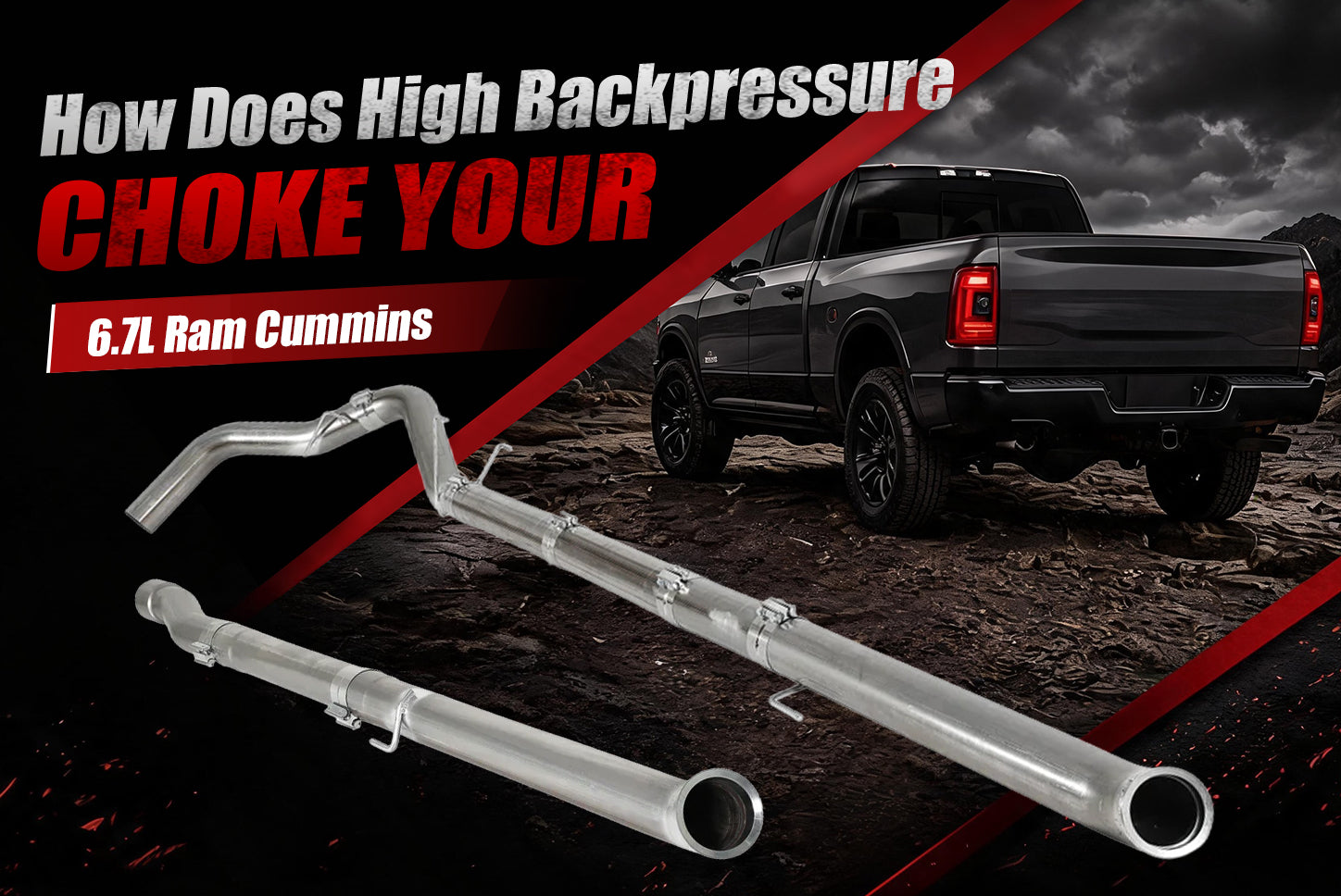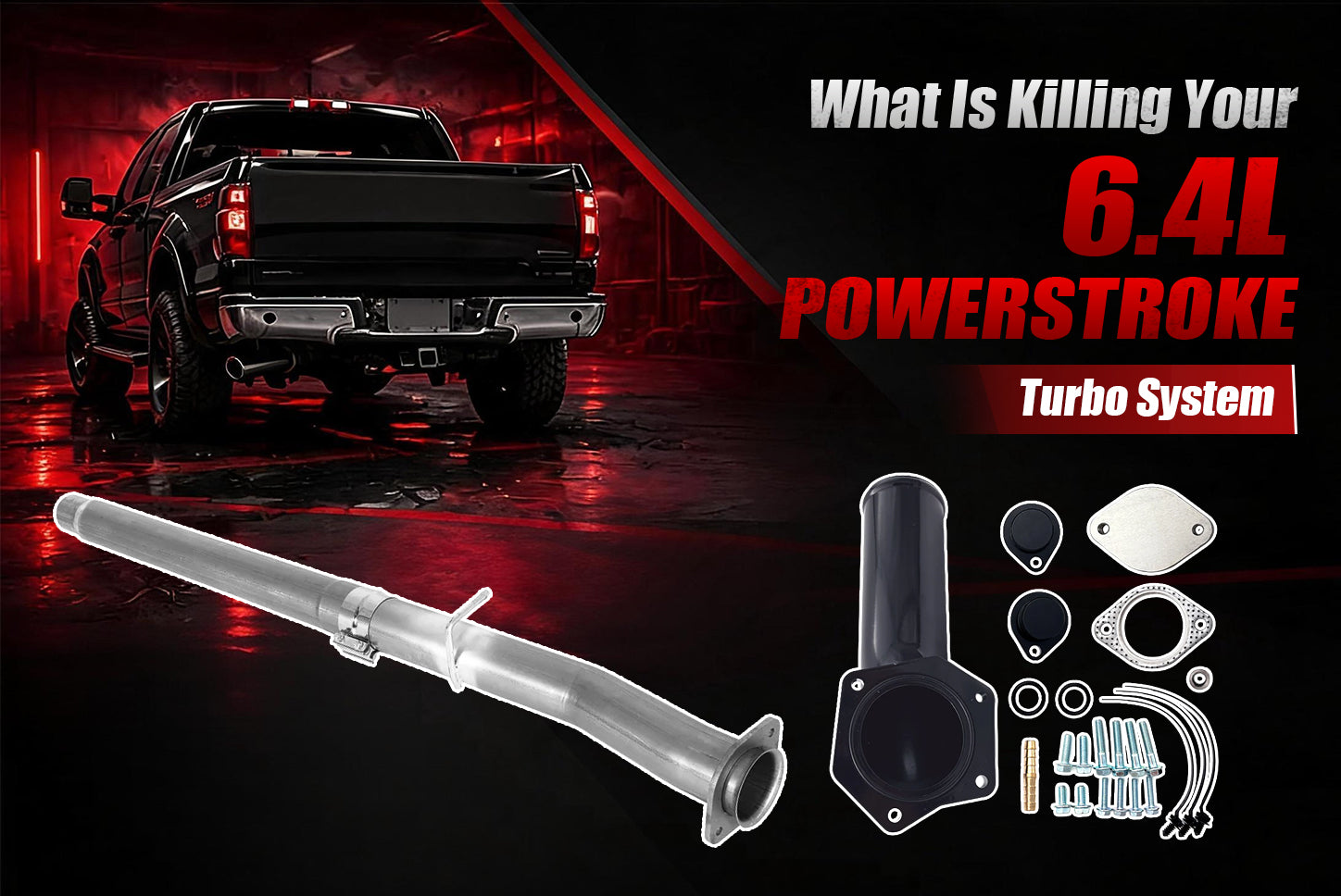

For heavy-duty truck enthusiasts operating 2010-2024 Ram 2500 and 3500 pickup trucks, the 6.7L Cummins inline-six diesel engine stands as the undisputed king of low-end torque and severe commercial towing capacity. However, to comply with aggressive modern environmental mandates, this legendary heavy-duty platform is equipped with an incredibly restrictive factory exhaust gas recirculation infrastructure. Over extended daily hauling cycles, forcing spent exhaust gases and heavy carbon soot backwards through the factory cooling channels creates a dangerous mechanical restriction under the hood, choking your engine’s breathing and trapping extreme thermal loads inside critical internal components.
The Silent Engine Killer: Deep-Engine Hot Spots, Sludge Blocks, and Fractured Coolers
The Vulnerability of Cylinders 5 and 6
Because the 6.7L Cummins features a long inline-six engine block design, managing core fluid circulation is naturally more difficult at the back of the cylinder head. The factory emissions setup exacerbates this structural vulnerability by consuming vast amounts of engine coolant to cool blistering exhaust gases.
This continuous diversion leaves the furthest areas—specifically around Cylinders 5 and 6—dangerously starved of fresh cooling flow. This severe structural fluid restriction traps intense localized heat in the absolute hottest areas of the engine block.
Over time, this localized thermal stress runs a catastrophic risk of blowing out your head gaskets. Under heavy towing conditions, it can even cause an internal valve seat to drop directly into the combustion chamber.
Intake Tract Contamination and Sludge Blocks
Simultaneously, a continuous contamination process unfolds directly inside your intake tract. The factory crossover tube, actuator, and valve force unburned hydrocarbon soot to mix continuously with wet crankcase oil vapors.
This mixture forms a thick, choking sludge layer that coats your intake valves and chokes your clean engine breathing. This restriction severely reduces low-end throttle response and damages air flow efficiency.
Leaving this carbon paste to accumulate forces your heavy-duty powertrain to undergo severe mechanical starvation. It also creates sticking actuator issues, resulting in expensive ongoing maintenance costs.
Internal Fractures and Liquid Erosion
Furthermore, the fragile honeycomb structure of the original equipment cooling exchanger frequently suffers from intense thermal fatigue. The constant shifting between extreme exhaust heat and cold radiator fluid causes the internal metal passages to crack.
Once a cooler fractures internally, engine coolant leaks straight into the intake tract and cylinders. This failure leads to unexplained coolant loss, mysterious white exhaust smoke, and severe engine knocking.
If left unaddressed, this cooling failure can cause hydraulic lock, permanently bending connecting rods. Bypassing this fragile factory layout is the only way to shield your powertrain from internal liquid erosion.
Unshackling the Iron: Heavy-Duty Thermal Restoration
Upgrading to a premium, precision-engineered metal delete configuration represents the most definitive mechanical evolution to permanently insulate your powertrain from systemic vulnerabilities. By completely isolating and clearing out the restrictive factory cooling chambers, you establish an unobstructed system layout that permanently protects your internal engine valves from thermal warping and carbon liquid contamination.
Replacing these factory restriction failure points preserves the overall operational longevity of your truck, guarantees total peace of mind on the road, and delivers a night-and-day improvement in low-end torque. Best of all, achieving this total under-hood transformation doesn't require a multi-thousand-dollar shop overhaul.
You can completely restore your powertrain’s breathing and cooling efficiency using rugged, industrial-grade aluminum and steel hardware designed for an exact bolt-on fit.
Heavy-Duty Upgrades: Eliminating 6.7L Cummins Restrictions
To permanently shield your high-pressure powertrain from dangerous backpressure and restrictive intake velocities, upgrading to solid steel and premium aluminum infrastructure is highly recommended. Below is the industry's premier structural upgrade, specifically engineered to correct these notorious Ram factory engineering oversights.
2010-2024 6.7L Ram 2500 3500 EGR Valve Cooler Delete Kit
This comprehensive engineering upgrade completely replaces the restrictive factory valve and cooler assembly, establishing a highly optimized cooling flow path and an entirely clean, unobstructed fresh air intake tract.

-
Premium Aluminum Construction: Forged from high-grade aluminum material to deliver exceptional corrosion resistance, superior structural integrity under pressure, and rapid heat dissipation.
-
Intake Tract Purification: Eliminates the restrictive factory cooling exchanger, crossover tube, and actuator assembly, permanently reducing thick soot buildup inside your upper engine breathing chambers.
-
Advanced Coolant Routing: Features a dedicated upgrade kit layout that re-routes engine coolant faster and more efficiently than the stock setup, directing fresh fluid straight to the back of the head between Cylinders 5 and 6 to insulate the hottest areas.
-
Pre-Tapped Manifold Block Off Plate: Engineered with a rugged, thick exhaust block off plate that arrives pre-tapped from the factory, making it fully ready for an immediate, clean aftermarket EGT Probe installation.
-
Total System Replacement: Completely replaces the entire factory valve and cooling hardware loop, arriving with every necessary piece of structural hardware required for a successful, independent bolt-on installation.
-
Strict Vehicle Fitment Guide: Tailored strictly for vehicle-specific fitment on 2010-2024 6.7L Ram Cummins 2500 and 3500 diesel trucks. EXCEPTIONS: This kit explicitly will not fit any Cab & Chassis truck styles due to commercial frame rail and manifold routing differences.
Step-by-Step Diagnostic Guide: How to Confirm Exhaust and Intake Bottlenecks
Because excessive backpressure and intake restrictions happen entirely internally, you won't always spot the issue immediately. To prevent these factory blindspots from destroying your rear cylinders, perform this quick multi-point diagnostic inspection straight from your garage floor.
-
Monitor Rear Cylinder Temps: Hook up an advanced diagnostic scanner and trace individual cylinder parameters. If cylinders 5 and 6 are consistently showing spiking thermal signatures under load, localized coolant starvation is occurring.
-
Inspect the Intake Horn for Sludge: Disconnect your factory crossover tube and inspect the internal throat of the air entry valve. If you discover a thick, sticky layer of black carbon paste, your engine breathing is being severely restricted.
-
Check for Unexplained Coolant Drop: Remove the cap on your cooling reservoir when the truck is entirely cold. If you are constantly losing fluid but see zero puddles on the ground, your factory cooler is cracked and vaporizing coolant out of the tailpipe.
-
Listen for Sticking Actuator Codes: If your dashboard triggers recurring check engine lights relating to grid heater restrictions or exhaust position sensor lag, heavy carbon sludge has jammed your original mechanical valves.
Performance Integration & Long-Term Mechanical Protection
Optimizing the structural reliability of a heavy-duty pickup requires treating its breathing and cooling subsystems as a singular, highly synchronized ecosystem. Swapping out fragile factory infrastructure for a heavy-duty egr cooler delete addresses more than just high exhaust temperatures under the hood. It acts as a comprehensive defense system that permanently eliminates carbon-soot restrictions, prevents turbulent airflow from starving your cylinders, and insulates your heavy-duty powertrain from blistering heat cycles.
Establishing complete powertrain dependability under severe towing stress relies heavily on isolating these high-heat zones. Eliminating restrictive, failure-prone factory components with an upgraded 6.7 cummins egr delete kit ensures uncompromised intake velocity, maintains stable core engine operating parameters, and drops coolant temperatures significantly. By managing internal airflow restrictions and safeguarding the vehicle against recurring thermal stress, truck owners can secure consistent torque output, protect critical rear cylinder walls, and unlock the true structural durability their heavy-duty rig was engineered to provide.
Conclusion
Chasing down a sluggish throttle response, dealing with elevated operating temperatures, and worrying about fluctuating boost metrics doesn't have to be a permanent reality for your Super Duty truck. While leaving a clogged, restrictive factory emission configuration and a choked original cooling loop untouched guarantees chronic flow resistance and premature engine failure, upgrading to high-grade steel and CNC-machined aluminum hardware secures your investment.
Why Your 6.7L Ram Needs an EGR Cooler Delete? Don't wait for a completely plugged factory intake or a sudden coolant-loss code to leave your heavy trailer stranded on a steep highway grade. Take definitive charge of your truck's mechanical longevity today without breaking your budget. To find the ultimate CNC-machined bypass configurations, rugged aluminum block off plates, and vehicle-specific hardware tailored strictly to your powertrain, explore the complete professional catalog over at www.dieseltok.com. Enjoy a clean, clutter free engine compartment and experience the optimal performance your Cummins diesel platform was built to deliver.
Frequently Asked Questions (FAQ)
1. How does the Cummins upgrade kit help protect Cylinders 5 and 6 from heat damage?
The long inline-six cylinder block layout naturally restricts fluid velocity at the very back of the engine. The upgraded kit re-routes engine coolant directly to the back of the head between Cylinders 5 and 6, forging fresh fluid into the hottest areas to eliminate hot spots and maintain stable structural temperatures.
2. Why does installing an aluminum delete plate make coolant temperatures run cooler?
The factory emissions setup constantly cycles 1,200°F exhaust gases through a cooling exchanger, transferring immense heat into your radiator fluid. Completely bypassing this system ensures that hot exhaust gasses are not being re-routed back into the motor, allowing your total coolant temperatures to run cooler.
3. Will this 6.7L Cummins block off kit fit a standard commercial Cab & Chassis truck?
No. Commercial Cab & Chassis trucks utilize different exhaust manifolds, unique water pumps, and specific turbocharger clearances compared to traditional consumer pickups. This particular upgrade kit is designed for standard 2010-2024 Ram 2500 and 3500 pickup trucks and explicitly will not fit Cab & Chassis models.
4. What is the operational purpose of a pre-tapped manifold block off plate?
Monitoring exhaust gas metrics is vital when towing heavy loads. The exhaust block off plate included in this kit features a integrated factory-drilled and pre-tapped port, allowing truck owners to install an aftermarket EGT Probe immediately without having to remove, drill, or weld their high-pressure exhaust parts.
5. How does removing the factory crossover tube improve fresh air breathing?
The original factory crossover tube continuously injects heavy carbon soot directly into the fresh air intake horn. Eliminating the EGR cooler, crossover tube, and actuator completely shuts off this stream of contamination, keeping your intake tract clean, reducing maintenance costs, and promoting sharper low-end throttle response.
6. Do I need to buy any extra hoses or gaskets to complete this installation?
No. This specialized hardware upgrade completely replaces the entire original valve and cooling loop infrastructure. The kit is manufactured as a comprehensive, self-contained mechanical package, meaning no other parts are required for a clean and successful installation inside your engine bay.