
The engine intake manifold is a crucial passage that delivers air to the cylinders to support combustion. If there are issues such as vacuum leakage or coolant leakage, it can lead to either a gradual decline in engine performance or even catastrophic damage. Identifying the symptoms of intake manifold leakage as early as possible can not only help you save a significant amount of repair costs but also prevent sudden breakdowns. This guide will help you understand the seven typical warning signs of intake manifold failure and explain the engine's health condition reflected by each symptom.
Why is the leakage of the intake manifold not to be ignored?
The intake manifold is one of the core components of an engine, primarily functioning to evenly distribute air (or a mixture of air and fuel in some engine models) to each cylinder. It must maintain excellent sealing performance to maintain an ideal air-fuel ratio and achieve efficient combustion. Once the sealing performance is compromised and leakage occurs, it can either cause air to seep into the system or lead to coolant entering the combustion chamber (major issue), thereby triggering a series of power failures and mechanical damages.
Intake manifold leakage can be classified into two types. Identifying the differences between these two types is crucial for accurately diagnosing the fault symptoms:
Vacuum Leaks
When outside air bypasses the air flow sensor and enters the intake system, this type of leakage occurs. Unmeasured air will cause the air-fuel ratio to become too lean, interfering with the engine's calculation logic and ultimately leading to engine malfunctions.
Coolant Leaks
Most of these leaks result from the failure of the intake manifold gasket or the cracking of the manifold itself. Once coolant leaks into the intake passage or the oil passage, it is highly likely to cause serious problems such as hydraulic locking and lubrication failure.
7 Typical Symptoms of Intake Manifold Leakage
1. Ldle Speed Fluctuation and Unstable Engine Operation
Modern engines can identify intake manifold leakage problems through the feedback signals from oxygen sensors. When the leakage causes the mixture to be too lean, the vehicle's computer usually reports fault codes P0171 or P0174, and these fault codes often occur simultaneously with other manifold fault symptoms such as idle fluctuation.
Diagnostic points: The idle speed fluctuates irregularly; the vehicle shakes noticeably at traffic lights intersections; even without pressing the accelerator, the engine speed also fluctuates.
2. Engine Lightis on Along with the Fault Code
Modern engines detect intake manifold leak symptoms through oxygen sensor feedback. When leaks cause lean conditions, you'll typically see P0171 or P0174 codes (System Too Lean). These codes often accompany other bad intake manifold symptoms like rough running.
Practical tip: Do not simply clear the fault codes. Make sure to investigate and resolve the root cause before the fault causes further damage.
3. Lack of Acceleration and Delayed Power Response
When the accelerator pedal is pressed, engines with intake manifold vacuum leaks often experience power lag or even hesitation. The unmetered air causes a lean fuel mixture, which reduces combustion efficiency, and this effect is particularly noticeable when the vehicle is under load and requires ample power output.
4. Unexplained Consumption Of Coolant
The leakage of coolant in the intake manifold is rather difficult to detect: you may notice that the coolant level keeps dropping, but there are no signs of leakage on the ground when the vehicle is parked. This is because the coolant is sucked into the intake tract through the leak and is eventually consumed along with the fuel in the combustion chamber.
Warning sign: The coolant level keeps decreasing repeatedly but there are no external leakage points, and at the same time, white smoke is emitted from the exhaust pipe.
5. Exhaust Pipe Emits White Smoke.
When the coolant leakage from the intake manifold intensifies, the exhaust pipe will emit white smoke with a sweet smell. This phenomenon indicates that the coolant is continuously seeping into the combustion chamber and mixing with the fuel for combustion. If this symptom occurs, immediate repair is necessary to avoid serious damage to the engine.
6. Engine Overheating Problems
After the coolant leaks through the intake manifold, the cooling system is prone to develop air blockage, which in turn creates local hotspots and eventually causes the engine to overheat. Even if the liquid level in the coolant reservoir is normal, the air remaining in the cooling system will impede heat transfer and lead to a failure in heat dissipation.
7. Engine Oil Has Been Contaminated.
In some engine structures, the coolant leakage from the intake manifold can also cause the coolant to mix with the engine oil. If you find milky white or yellowish-brown emulsified substances on the oil dipstick or the cover of the oil filler cap, this is a clear sign that the coolant has contaminated the engine oil. You must immediately repair the vehicle for maintenance.
Solution for permanently fixing intake manifold problems
Why Do Original Factory Intake Systems Tend to Fail ?
The original factory intake manifold is designed as a multi-functional pipe that must simultaneously carry air, exhaust gas and coolant. This design inevitably poses multiple challenges for it.
Four Challenges of Original Design
- Thermal cycling aging: Long-term alternating hot and cold temperatures cause plastic parts to become brittle and crack
- EGR carbon buildup: Carbon particles accumulate in the exhaust gas recirculation system, forming localized high-temperature spots
- Vibration fatigue: Continuous engine vibration gradually damages the integrity of gaskets
- Coolant corrosion: Internal cooling channels suffer corrosion damage over time
Permanent Upgrade Solution
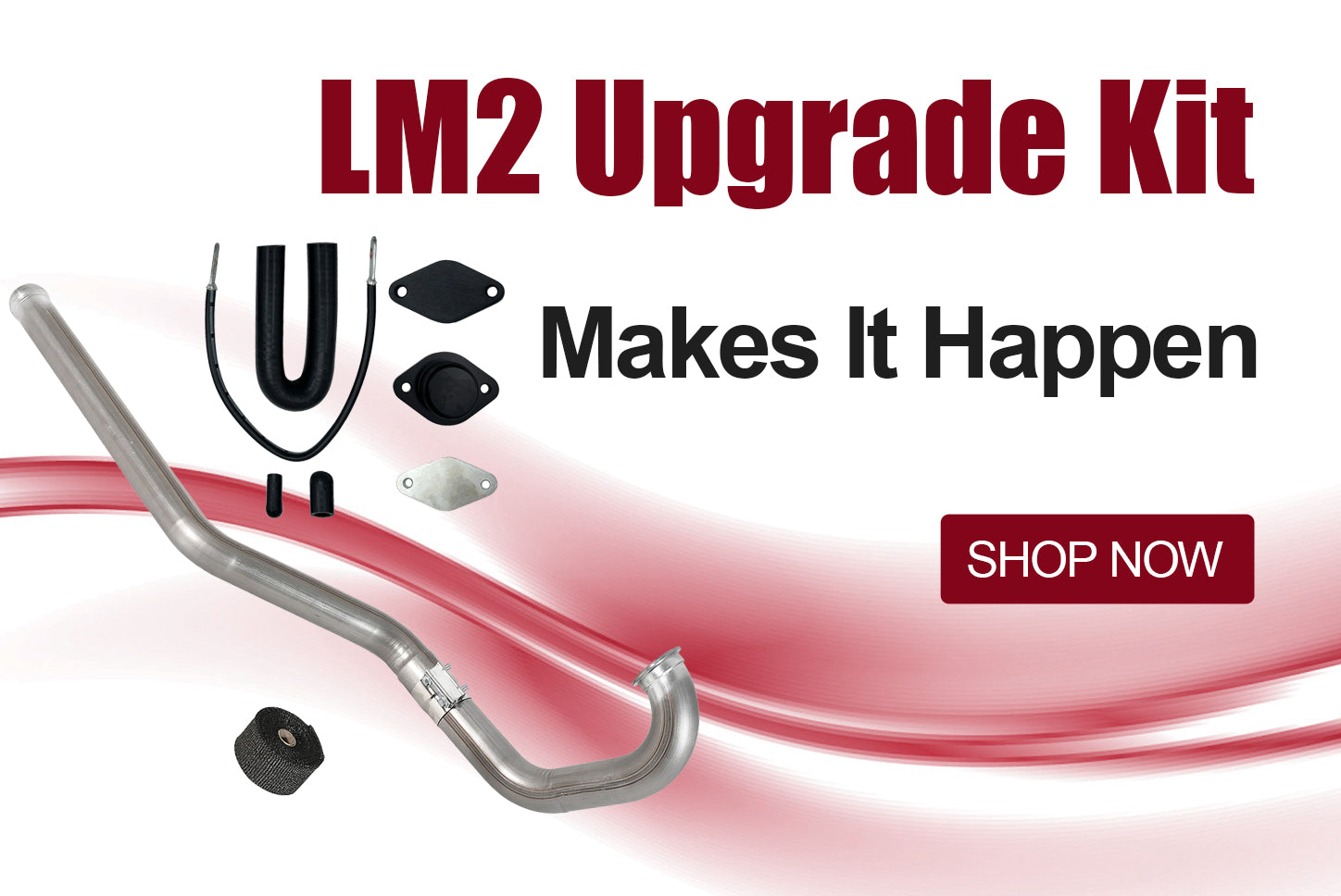
This 3.5-inch intake manifold tube & EGR cooler upgrade kit is applicable to 2010-2018 models of the 6.7L Ram Cummins vehicles. It is not only a replacement part but also a comprehensive upgrade to the original design.

core advantage:
-
Eliminate the source of thermal damage: Remove the integrated design of the EGR cooler that is prone to causing high-temperature damage
- Optimize airflow path: The 3.5-inch pipe diameter enhances intake efficiency and boosts engine performance
-
Material upgrade: Made of aluminum, completely eliminating the risk of plastic cracking.
-
Precision manufacturing process: Ensure zero-error installation and permanent sealing
- Complete installation kit: Includes all types of gaskets and hardware, enabling standardized installation.
Three-step method to identify the source of leakage
How to Confirm Intake Manifold Leaks
Before replacing components, verify intake manifold leak symptoms with these methods:
Smoke testing method
Using a professional smoke detector, by observing the location where the smoke escapes, the vacuum leakage point can be directly and accurately located.
Cooling system pressure test
Apply pressure to the cooling system and monitor the pressure gauge readings. If the pressure cannot be maintained or there is an abnormal drop, it often indicates that coolant is leaking inside the intake manifold - this is a typical sign of a cracked plastic
Visual Inspection
Carefully inspect the interfaces between the manifold and the cylinder head, the throttle body, etc.:
- Look for coolant crystals or water stains remaining
- Observe whether there is any emulsion formed by the mixture of oil and coolant
- Check for any visible cracks or deformations in the manifold itself (especially the plastic parts)
Replace or upgrade?
After the leak is confirmed, you will face a crucial choice: do you replace it as it is, or take this opportunity to carry out a systematic upgrade? Please make a comprehensive judgment based on the following four dimensions:
Vehicle condition and age
For vehicles with a high mileage and a long age, the original factory components may have reached the end of their designed lifespan. A simple "one-to-one" replacement may soon encounter problems with the aging of other related components. At this point, a systematic upgrade offers a higher long-term cost-effectiveness.
Vehicle usage intensity
If the vehicle is constantly under high load (such as heavy-duty towing, frequent long-distance travel), or operates in extreme temperature conditions frequently, the durability boundaries designed by the original manufacturer may have been exceeded. Upgrading to more robust and better-ventilated performance components is an inevitable choice to cope with high-intensity usage.
Long-term holding plan
If you plan to hold the vehicle for a long time, a one-time forward-looking investment (using components with longer lifespan and higher reliability) can avoid recurring faults and maintenance costs in the future, and is more economical from a life-cycle perspective.
Performance Enhancement Expectations
Pure maintenance can only restore the original state. However, choosing high-performance upgrade components (such as our aluminum manifold kit) not only permanently eliminates the original factory design flaws, but also simultaneously achieves additional performance benefits such as improved intake efficiency and better throttle response, achieving a dual upgrade in reliability and power.
Conclusion
When the problem of intake manifold leakage first appears, it may not be easily detected, but it could escalate into a serious engine failure if ignored. Whether it is a vacuum leakage that affects fuel efficiency or a coolant leakage that poses a threat to engine safety, it needs to be dealt with promptly to avoid greater losses. If you are seeking a permanent solution, please visit our website dieseltok.com to learn about this intake system upgrade kit that can completely replace the defective design of the original factory, as well as other professional solutions. Our technical support team will provide you with precise upgrade suggestions based on the condition of your vehicle and your usage needs.
FAQs About Intake Manifold Leaks
Q1: Can it still be driven after a leak occurs?
A1: Only if there is a vacuum leak, it is possible to drive cautiously for a short distance to the repair point. However, if there is a coolant leak, driving is strictly prohibited. A small amount of coolant entering the cylinder could cause irreversible structural damage.
Q2: What is the approximate cost of the repair?
A2: While possible for short distances with vacuum leaks, driving with coolant leaks risks severe engine damage from overheating or hydraulic lock.
Q3: How much does it usually cost to repair the intake manifold?
A3: The maintenance cost usually ranges from $500 to $1500; however, opting for high-quality upgraded components, although requiring a higher initial investment, can prevent repeated repairs in the long run and is a more cost-effective solution.
Q4: Which symptoms indicate an emergency that requires immediate attention?
A4: If there is a rapid loss of coolant or the engine overheats, white smoke continues to come out of the exhaust pipe, the vehicle suddenly experiences severe stalling while in motion, fails to start for no reason, or there are uncontrollable idle fluctuations or severe surging of the engine, please stop the vehicle immediately and arrange for maintenance.
Q5: Will problems with the intake manifold cause damage to the catalytic converter?
A5: Yes, this is a common cause of chain damage. The incompletely burned mixture enters the exhaust pipe, causing it to rupture internally and eventually completely fail.