
Have you ever stopped to calculate just how much of your hard-earned profit, which should have stayed firmly in your pocket, has been quietly siphoned away from your LM2 diesel pickup—all under the guise of "compliance"?
Every few hundred miles, the so-called "active regeneration" kicks in, burning fuel that should be powering your wheels straight out of the exhaust pipe. Each time carbon buildup in the EGR valve saps your power and forces an intake cleaning, your truck sits idle—and your job schedule grinds to a halt. It’s time to stop this ledger of losses. This article will show you how, with one smart technical decision, you can turn this "cost machine" back into your most reliable asset for making money.
Why Does the DPF/EGR Keep Costing Your Money?
Your truck's emissions system to meet a regulatory standard, but its operational cost is paid directly from your bottom line. Let's break down this silent partnership that's working against you:
DPF (Diesel Particulate Filter)
- Clogging & Regeneration: Soot accumulation forces the vehicle into costly and fuel-intensive "regeneration" cycles (burning off soot), increasing fuel consumption and engine wear.
- Short-Trip: Frequent short trips prevent the DPF from reaching optimal operating temperatures for regeneration, accelerating the rate of clogging.
- Costly Replacement: A severely clogged DPF often requires expensive professional cleaning or complete replacement, which can cost thousands of dollars.
EGR (Exhaust Gas Recirculation)
- Carbon Buildup: Recirculated exhaust gases cause carbon deposits, which can stick EGR valves open or closed. This leads to rough idling, power loss, and reduced fuel efficiency.
- Component Failure: Condensation, corrosion, or electrical faults can cause valve failure, necessitating replacement.
- Engine Damage: A malfunctioning EGR system can contribute to severe engine issues and expensive repairs.
The sophisticated system operates in a complex environment and failure is just a matter of time. Moreover, some minor malfunctions may escalate into major repairs that require the entire intake system to be cleaned. This is an inevitable compromise under real driving conditions – and the cost of this compromise is always borne by the owner.
Not Just a Delete, A Restoration
The LM2 Delete Kit is engineered with three uncompromising goals:
Unlock Repressed Performance
Give your turbocharger the free-flowing exhaust it was designed for. Restore throttle response and deliver the power GM's engineers intended.
Improve Fuel Economy
Those who have removed the emission systems often find that the mileage per gallon of fuel for their vehicles has significantly increased. The fuel efficiency has improved by approximately 15-25%, resulting in long-term savings.
Terminate Recurring Costs
Design a solution that permanently removes every DPF/EGR-related failure point from your truck's maintenance log and your mind.
The Solution - Anatomy of the LM2 Delete Kit
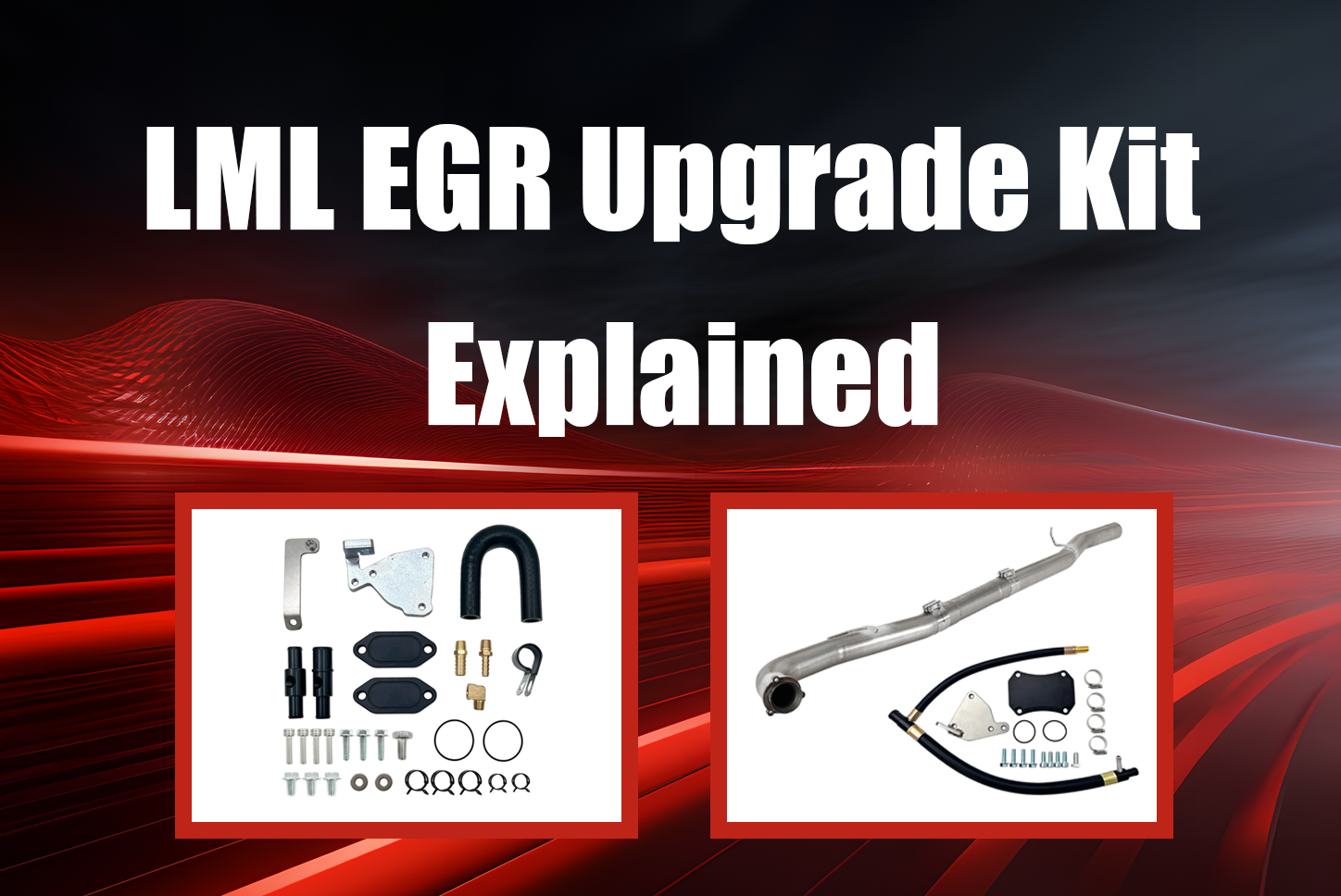
2020-2022 3.0L LM2 Duramax 3" DPF Delete Pipe & EGR Delete kit
To completely solve this problem, the only solution is to approach it from the system level. The 2020-2022 LM2 DPF & EGR Delete kit we have adopted is made of high-quality materials, aiming to have long-lasting durability and stable performance, and to provide the maximum vehicle performance.

The DPF Delete: Unrestricting Your Exhaust
-
Smooth exhaust:
A 3-inch turbo full-length pipeline made of durable 409 stainless steel. This design ensures perfect fit and establishes a smooth and unobstructed flow path.
-
Performance improvement:
Significantly reduces exhaust backpressure, enhances the responsiveness of the turbocharger, offers a sensitive throttle response and a substantial increase in power.
-
Cooling operation:
Significantly reducing the exhaust temperature is a direct guarantee for its long-term health and durability.
EGR removal: Purification of the intake system
The EGR Delete: Cleaning Your Air Intake
-
High-quality materials:
Aluminum alloy is used, which is resistant to high temperatures and can extend the service life.
-
Eliminating pollution sources:
Our kit includes all the components necessary to completely block or remove the exhaust gas recirculation system.
- Maintaining engine efficiency:Keep the intake valves and ports clean to ensure the cylinders receive the optimal airflow, achieving more efficient combustion throughout the engine's entire lifespan.
The Synergistic Advantage: 1+1 > 2
his dual liberation creates a virtuous cycle: reduced intake contamination leads to cleaner, more complete combustion. Cleaner combustion, expelled through an open exhaust, further lowers temperatures and reduces stress.
Safety Prep for LM2 Delete Kit Installation
Required Tools
- Special socket set (including extension rod)
- Standard and Torque Wrench Set
- Pipe wrench and multi-function screwdriver set
- Essential safety equipment (industrial-grade gloves and protective goggles)
Safety First: Before starting, always disconnect the vehicle battery. Ensure the engine is completely cool and the truck is securely lifted and properly supported.
Step-by-Step DPF Removal & Installation
Remove Stock DPF
- With the truck safely raised, find the DPF unit in the mid-section of the exhaust.
- Unplug the electrical connectors for the differential pressure and temperature sensors on the DPF.
- Using your socket set, remove the bolts from the clamps at the front and rear of the DPF, then carefully lower it out.
Install DPF Delete Kit
- Position the new pipe between the turbo downpipe and the remaining exhaust. Ensure it aligns correctly before tightening.
- Always use the new, high-temperature gaskets provided in the kit. Slide the V-band clamps into place.
- Using your torque wrench, tighten all clamps to the manufacturer's recommended specification.
Step-by-Step EGR Removal & Installation
Remove Stock EGR
- Locate the EGR radiator installed on the passenger side.
- Carefully remove the coolant hoses and the electrical connector from the EGR valve. Have a drain pan ready for minor coolant spillage.
- Remove the mounting bolts and carefully lift the EGR cooler assembly out.
Install EGR Delete Kit
- Use a gasket scraper and cleaner the engine block intake mounting surface.
- Install the provided block-off plates or components using the new gaskets and hardware from the kit.
- Re-route or cap any remaining coolant lines as per kit instructions, and secure all bolts to proper torque.
The Critical Verification
- Before starting the engine, carefully inspect all new connections to ensure they are properly secured.
- Start the engine and let it idle, listening for any unusual noises and checking for leaks.
- During a short test drive, pay attention to the power response and operating condition, and ensure that no warning lights illuminate
Open Communication - Address Your Concerns
We firmly believe that decisions should be made based on sufficient information. Here is our candid explanation of common issues:
Legality:
Emission standards vary. Our products are designed for off-road and racing purposes, so it is necessary to understand the local laws before purchase.
Installation Instructions:
With basic mechanical skills and our detailed step-by-step guide, many users can install it easily. If you cannot install it yourself, you can hire professionals.
Warranty Issues:
If the emission system is modified or removed, the vehicle warranty will be invalid. If you are considering removing these systems, be sure to understand the impact on the warranty.
Conclusion:Do It Today!
You chose the LM2 for its reliable productivity, not to manage a complex emissions system that constantly eats into your profits. This isn't a problem with your truck—it's a solvable engineering conflict. Visit dieseltok.com to end the ongoing costs, restore peak performance, and reclaim your truck's full capability. Our DPF/EGR Delete Kit is the proven solution, systematically removing both major restrictions. This isn't just a modification—it's a strategic investment. The results are clear and lasting: lower operating costs, higher uptime, and a dependable partner that truly performs as intended.
FAQs About LM2 Delete Kit
Q1: Do you need professional technicians to install LM2 Delete Kit?
A1: While experienced owners can install the kit themselves, we strongly recommend having it done by a professional technician. This ensures optimal performance and prevents potential issues caused by improper installation.
Q2: How long will the installation process take?
A2: For someone familiar with the process, installation typically takes 3–5 hours. The exact time may vary based on the vehicle's condition and the installer's experience.
Q3: What is the return on investment?
A3: Most users recover their costs within a reasonable period through fuel savings and avoided maintenance expenses. Your actual savings will depend on how often you drive and your typical driving conditions.
Q4: Is there any legal risk in installing the LM2 Delete Kit?
A4: Using a modified vehicle on public roads may violate emissions regulations. Our product is intended only for off-road or closed-course environments. Always check and comply with local laws before proceeding.
Q5: Is installing the LM2 DPF/EGR Delete beneficial for the engine?
A5: From an engineering perspective, removing these systems can reduce carbon buildup and lower exhaust temperatures, which improve engine efficiency. However, it's important to weigh these potential benefits against legal and compliance considerations.