
The DPF regeneration cycle on a 6.7L Powerstroke is supposed to be invisible. The ECM detects soot load, commands late in-cylinder post-injection pulses on the exhaust stroke, raises exhaust gas temperature past 1,000 degrees Fahrenheit for long enough to burn the soot to ash, and you never know it happened.
Until it doesn’t work. The truck tells you it tried. The “Cleaning Exhaust Filter” message came on. You drove. It went off. And then it came back on again half an hour later. Then it came on again after 15 minutes. Now the dashboard says “Drive to Clean Exhaust Filter” and the truck feels sluggish, and you’re wondering whether this is going to end with a parked regen in your driveway or a tow truck to the dealership.
A forced DPF regen is not something you should need to do regularly. But when the automatic regen cycle keeps failing, a properly executed manual regen is the difference between a minor inconvenience and a derated truck that won’t go faster than 45 miles per hour. Here’s how to get it right.
When You Need to Force a Regen — and When You Shouldn’t
The 6.7L Powerstroke’s DPF system uses a soot load model that estimates particulate accumulation based on driving conditions, exhaust pressure differential, and regen history. Under normal operation, automatic regeneration triggers when soot load reaches approximately 65 to 70 percent, and the cycle completes as long as the truck maintains sufficient speed and exhaust temperature for 20 to 40 minutes.
A manual forced regen is necessary when:
The DPF soot load exceeds roughly 85 percent and automatic regens keep aborting. At this level, the ECM may restrict automatic regeneration to prevent a thermal event — the concern is that a DPF packed with soot will burn too hot and too fast if regeneration starts uncontrolled. A forced regen with the truck stationary allows the ECM to meter fuel carefully and control the temperature rise.
The “Drive to Clean Exhaust Filter” message is on and won’t clear. This is the ECM’s final warning before derating. If driving at highway speed for 30 minutes doesn’t clear it, the soot load is beyond what passive driving conditions can resolve.
The truck has entered reduced power mode. Once the ECM derates the engine, a forced parked regen with a capable scan tool is the only way to clear the restriction and restore full power without replacing the DPF.
Do not attempt a forced regen if the truck has active fault codes for EGT sensor failure, DPF pressure sensor failure, or fuel system problems. A failed EGT sensor will cause the ECM to misread exhaust temperature, and a regen commanded without accurate temperature feedback can overheat and crack the DPF substrate. Address the sensor faults first, then force the regen.
Parked Regen: Step-by-Step for the 6.7L Powerstroke
A parked regen requires a scan tool capable of commanding a service regeneration — FORScan with an extended license, Ford IDS, or a professional-grade tool like Snap-on or Autel. A basic OBD-II code reader cannot initiate a parked regen.
Step 1: Check oil level and fuel level. The ECM will refuse a parked regen if the oil level is above the full mark — fuel dilution from repeated failed regens can raise the oil level past the safe threshold. The fuel tank must be above one-quarter full. If oil level is high, change the oil before proceeding. Fuel-diluted oil during a regen is a fire hazard.
Step 2: Park on a level, non-flammable surface and open the hood. Concrete or gravel, far from dry grass, leaves, or anything combustible. A parked regen pushes exhaust gas temperatures past 1,100 degrees at the tailpipe, and the engine bay radiates enormous heat with no ram-air cooling from driving. Ford service procedures explicitly require the hood to be fully open during a stationary regen to shed heat and prevent thermal damage to surrounding wiring, hoses, and plastic components. The area behind the exhaust outlet must also be clear of people, pets, and materials for at least 10 feet.
Step 3: Connect the scan tool and navigate to service functions. In FORScan: Service Procedures → PCM → DPF Regeneration → Stationary Regeneration. In IDS: Toolbox → Powertrain → Service Functions → DPF Manual Regeneration. The tool will check preconditions — oil level, coolant temperature above 170 degrees, no active DTCs that would prevent regen — before allowing the procedure to start.
Step 4: Command the regen and monitor. The ECM will raise engine RPM to approximately 2,000 and hold it there. Exhaust temperature will climb over several minutes to the 1,000 to 1,200 degree range. The process typically takes 20 to 40 minutes. The scan tool will display soot load as a percentage — watch it drop. Do not turn off the engine or disconnect the scan tool during the regen.
Step 5: Cool-down. When soot load drops below roughly 15 percent, the ECM will end the regen cycle. The engine will return to idle. Let it idle for three to five minutes to cool the turbocharger and exhaust components before shutting down.
What the Dashboard Shows During a Parked Regen
The instrument cluster will display “Cleaning Exhaust Filter” or similar messaging. The cooling fan will engage at high speed — this is normal. A hot smell from the exhaust is normal. White smoke from the tailpipe during the first few minutes is normal and is just moisture burning off. Black smoke or a sustained burning smell is not normal — if you see either, abort the regen through the scan tool immediately and inspect the DPF for cracks.
Driving Regen: When Parked Isn’t an Option
If you don’t have a scan tool that can command a parked regen, a driving regen is the alternative — but it only works if soot load hasn’t passed the threshold where the ECM blocks automatic regeneration.
What you need: A stretch of highway where you can maintain at least 45 miles per hour continuously for 30 to 40 minutes. Stop-and-go traffic will not work.
Procedure: Get the truck on the highway. Set cruise control to a speed that keeps engine RPM between 1,800 and 2,200 — usually 60 to 65 miles per hour in top gear. Lock out overdrive if needed to keep RPM in range. Maintain steady throttle. Do not accelerate hard and do not coast.
The ECM will initiate regeneration automatically if preconditions are met: coolant temperature above 170 degrees, exhaust temperature sensor reading correctly, DPF pressure differential within expected range, and soot load between roughly 65 and 85 percent. The “Cleaning Exhaust Filter” message will appear when the cycle starts. Keep driving until the message disappears.
Owner Note for 2011–2016 Trucks: The “Cleaning Exhaust Filter” message on early 6.7L models will only flash on the screen for a few seconds and then disappear. It will not stay on during the 30-minute drive. Don’t panic — monitor your instant MPG on the trip computer (which will drop significantly during regen) or watch EGTs if you have a monitor to confirm the cycle is still burning.
If the message appears and then disappears after only a few minutes, the regen aborted — likely because exhaust temperature dropped below the required threshold. Try again with a lower gear to keep RPM and EGT higher.
Why Regens Keep Failing
If you’ve completed a parked regen or driving regen and the DPF light comes back within a tank of fuel, something is preventing the DPF from staying clean. Regen doesn’t fix the cause — it only addresses the symptom.
Bad EGT sensor. The 6.7L Powerstroke uses multiple exhaust gas temperature sensors along the downpipe and downstream emissions system — post-turbo, pre-DPF, and post-DPF. If any sensor is reading inaccurately, the ECM can’t control regen temperature correctly. A sensor that reads 200 degrees too low will cause the ECM to over-fuel the regen, potentially damaging the DPF. A sensor that reads 200 degrees too high will cause the ECM to under-fuel, leaving soot unburned.
Bad DPF pressure sensor. The differential pressure sensor measures the pressure drop across the DPF. If it’s stuck, clogged, or reading incorrectly, the ECM can’t accurately assess soot load. A sensor that reads too high will trigger unnecessary regens. A sensor that reads too low will allow soot to accumulate past the safe threshold without triggering a regen at all.
Excessive soot production upstream. If the engine is over-fueling — from a sticking injector, a bad turbo actuator, a restricted air filter, or an EGR system that’s clogged and forcing the engine to run rich — it will produce soot faster than the DPF can burn it. You can force regen after regen and the DPF will fill up again within days because the root cause hasn’t been addressed.
Ash load at end of life. DPF regeneration burns soot to ash, but it cannot remove ash. Over 150,000 to 200,000 miles, ash from engine oil additives and normal combustion byproducts accumulates in the DPF and permanently reduces its capacity. A DPF at its ash capacity limit will regen successfully, but the soot load will climb back to the regen threshold within a fraction of the normal interval. At this point, the DPF must be removed for professional cleaning or replaced.
Fuel dilution in the oil. The 6.7L uses post-injection during regen — fuel injected on the exhaust stroke to raise EGTs. Some of that fuel inevitably washes past the piston rings into the crankcase. The ECM tracks regeneration history and uses an inferred calculation to estimate fuel dilution percentage based on how many regens have run and how many have aborted. If the calculated dilution percentage or failed regen counter crosses a calibrated limit, the ECM will block further regeneration to prevent a runaway engine condition — fuel-saturated oil can auto-ignite during a regen. The 6.7L does not have a physical oil level sensor in the oil pan; the ECM cannot directly measure how high the oil has risen. This is why you must physically check the dipstick before attempting any regen. If the oil smells like diesel or sits above the full mark, change the oil first.
What You Need: Scan Tools and Diagnostics
FORScan is the most accessible option for a 6.7L owner. The Windows version with an extended license (approximately $12 for a one-year license at the time of writing) can command a parked regen, read DPF soot load as a percentage, and graph EGT sensor and pressure sensor data during the regen. You’ll need a compatible OBD-II adapter — the OBDLink EX is the most reliable USB option, and the vLinker FS is the most reliable Bluetooth option.
Ford IDS is the dealer-level tool. If you have access to one — through a shop, a friend, or a rental — it provides full bidirectional control and can run a manual regen with more detailed precondition checks than FORScan.
A basic OBD-II scanner will not command a regen. It will read codes and display EGT sensor values, which is useful for preliminary diagnosis but won’t get you past the “regen required” wall.
Conclusion
A forced DPF regen on a 6.7L Powerstroke is a tool, not a lifestyle. If you’re doing it once because a string of short trips prevented automatic regeneration, the instructions above will get you through it and the truck will return to normal.
If you’re forcing a regen every two weeks, the DPF is no longer the root problem — it’s a symptom. A DPF that has reached its ash loading limit at 200,000 miles can’t be restored by burning soot. A cracked DPF substrate can’t be healed with more heat. A duty cycle of short trips and low-speed operation will never give the truck the sustained exhaust temperature it needs to complete a regen cycle, no matter how many times you force one. When you’re caught in that loop, the mechanical solution is replacing or removing the DPF.
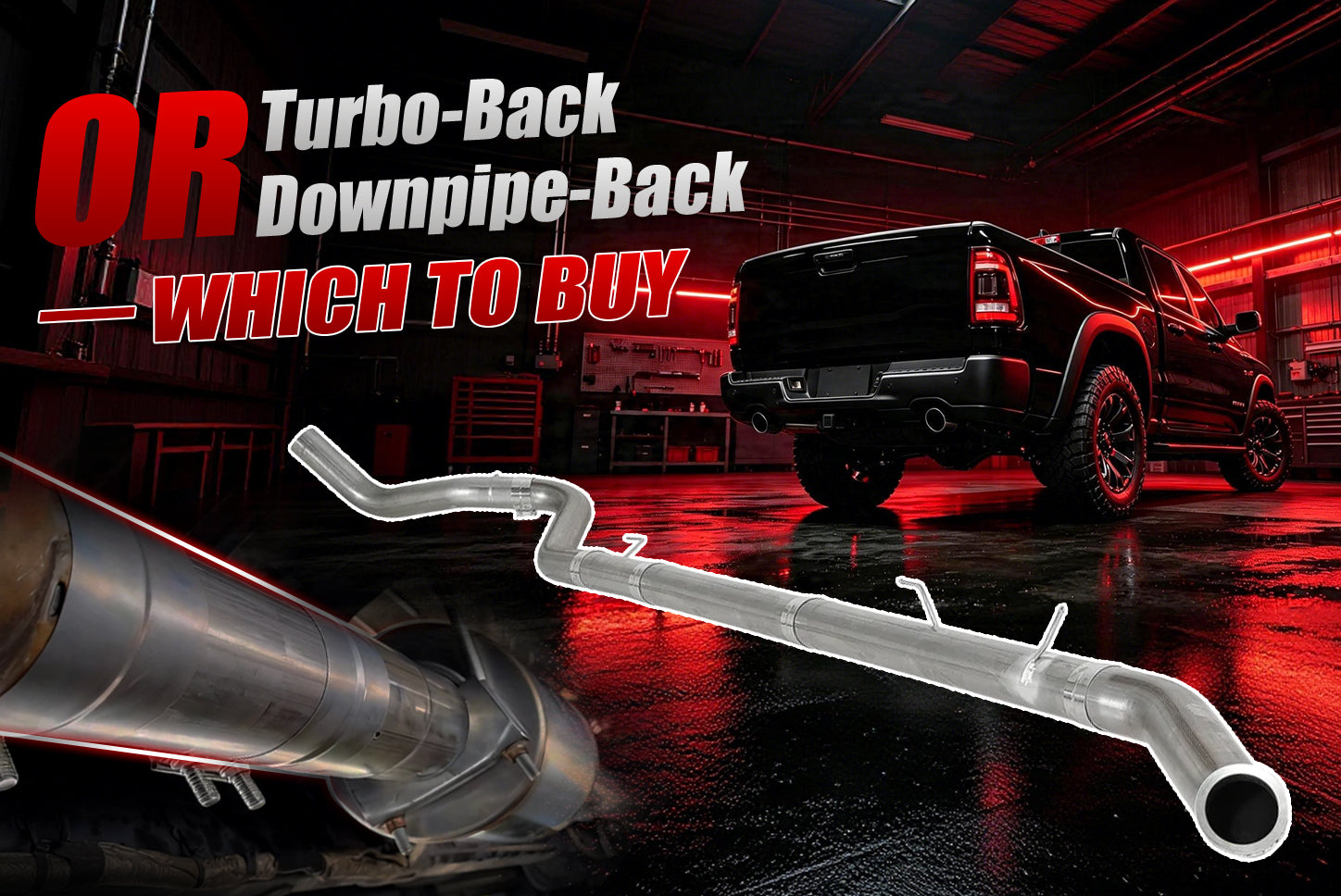
Deleting emissions equipment is illegal for on-road use in the United States and carries substantial EPA fines — this is not a casual decision. But for off-road, competition, or export applications where the truck’s operating conditions simply don’t support the regen cycle, DieselTok carries 4-inch and 5-inch DPF delete pipes for the 6.7L Powerstroke, including a 4-inch DPF and CAT combo delete and a 5-inch downpipe-back option, all bolt-in direct-fit with mandrel-bent tubing. You can browse the full 6.7L Powerstroke lineup at www.dieseltok.com.

FAQ
How long does a forced parked regen take?
Twenty to 40 minutes once the cycle starts, plus three to five minutes of cool-down idle afterward. The full process from connecting the scan tool to shutting down the engine typically takes 30 to 60 minutes.
Can I drive during a forced regen?
No. A service regen commanded through a scan tool is a stationary procedure. The ECM will abort the regen if the vehicle moves. For a regen while driving, use the driving regen procedure — maintain highway speed and let the ECM initiate the cycle automatically.
Will a forced regen clear a check engine light?
It depends on the code. A forced regen will clear the “DPF Restricted” or “Exhaust Filter Overloaded” message if the regen completes successfully. It will not clear hard fault codes for failed sensors or system malfunctions. If the check engine light was triggered by a soot overload condition and the regen reduces soot load below the threshold, the ECM may clear the code after a successful drive cycle. If the code remains, there’s a sensor or system fault that needs separate diagnosis.
Why does my 6.7L smell hot during a regen?
That’s normal. A DPF regen burns soot at 1,100 to 1,200 degrees Fahrenheit. The heat radiates through the exhaust system, and you’ll smell hot metal, burning carbon, and possibly a faint fuel odor from the post-injection strategy. If you smell raw diesel fuel strongly or see black smoke, abort the regen.
Can I turn off the truck during a parked regen?
Only if there’s an emergency. Aborting a parked regen leaves partially-burned soot and unburned fuel in the DPF. The next cold start may produce white smoke as the residual fuel burns off, and the ECM may log a regen abort code. If you must abort, do it through the scan tool’s abort function — the ECM will execute a controlled shutdown that minimizes the amount of unburned fuel left in the exhaust.
What’s the difference between a parked regen and a service regen?
The terms are used interchangeably. “Parked regen” describes the physical condition — the truck is stationary. “Service regen” or “manual regen” describes the method — a technician or owner commands it through a scan tool rather than the ECM initiating it automatically. They’re the same procedure.
Why won’t my scan tool let me start a parked regen?
The ECM requires several mandatory preconditions to be met before it allows a service regen. The scan tool will block the command if: coolant temperature is not above 170°F, active DTCs are present for EGT sensors or DPF pressure sensor, fuel level is below one-quarter tank, or the DPF soot load is below the threshold that triggers a regen request. Check each precondition against live data before assuming the tool is the problem.